Signage & printable · 7 min read
Vinyl lettering, vehicle graphics and fleet wraps: a shop guide
How vinyl lettering, vehicle graphics and fleet wraps differ in materials, cost and production, with a workflow sign shops can use for commercial jobs.
Short answer: Vinyl lettering is cut from solid-color vinyl and applied with transfer tape, making it the cheapest way to put a name and phone number on a vehicle. Vehicle graphics and fleet wraps use printed vinyl with a laminate to cover larger areas. Choose by budget, visibility needs and how many vehicles must match.
Vinyl lettering is where most commercial vehicle work starts: a business name, a phone number and a logo on a van door. From there, jobs scale up to partial vehicle graphics and full fleet wraps that turn every vehicle into a moving sign. This guide is for sign shops, wrap shops and fleet managers who need to choose the right level of coverage, the right film and a production process that keeps dozens of vehicles looking identical.
Key takeaways
- Vehicle branding comes in three tiers: cut vinyl lettering, partial printed graphics and full fleet wraps.
- Cut vinyl lettering uses solid-color cutting vinyl and transfer tape; printed graphics use printable vinyl plus a protective laminate.
- For vehicles with curves, rivets and corrugations, conformable cast films hold up better than calendered films.
- Consistency across a fleet depends on locked artwork files, one film and laminate combination, and color-managed printing.
- Commercial vehicle graphics are typically removable, so fleets can rebrand or resell vehicles without repainting.
Vinyl lettering vs vehicle graphics vs fleet wraps
| Cut vinyl lettering | Partial vehicle graphics | Full fleet wrap | |
|---|---|---|---|
| What it covers | Text, simple logos, door panels, windows | Sides, rear doors, hood, around 25–60% of the vehicle | All painted panels, often windows with perforated film |
| Material | Solid-color cutting vinyl | Printable vinyl + laminate, or cut vinyl | Printable cast vinyl + laminate |
| Colors | One per layer | Full color | Full color |
| Production | Plotter cut, weed, mask | Print, laminate, cut | Print, laminate, panel, install |
| Typical cost per vehicle | Roughly USD 150–600 | Roughly USD 800–2,500 | Roughly USD 2,500–5,500 for vans |
| Best for | Small budgets, compliance info, trades | Strong branding on a budget | Maximum visibility, brand impact |
Costs vary widely by region, vehicle size, design complexity and number of vehicles, so treat the ranges as rough starting points.
Custom vinyl lettering for cars, vans and trucks
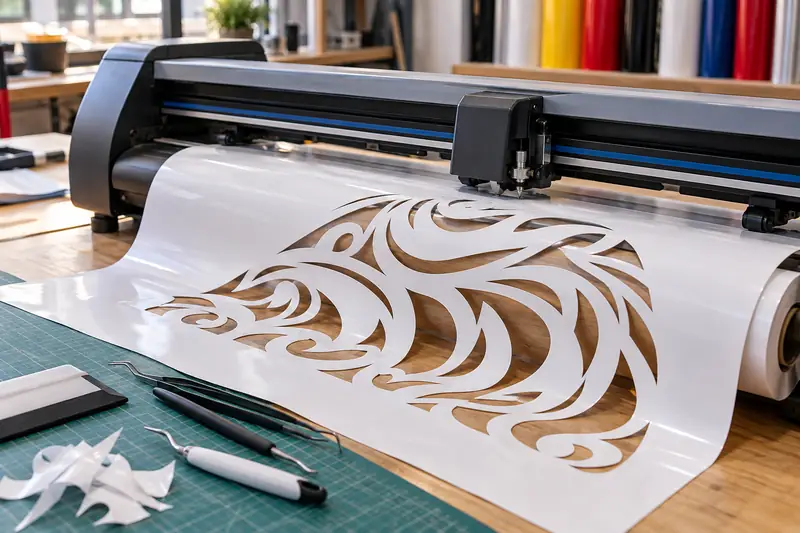
Custom vinyl lettering is cut on a plotter from solid-color vinyl, the unwanted material is weeded away, and the letters are lifted with transfer tape so they can be positioned as one piece. It is ideal for company names, phone numbers, websites, DOT or license information, and vehicle numbering.
What to get right:
- Film choice. Intermediate or cast cutting vinyl is the usual choice for vehicles; long-life films conform better around light body curves and shrink less.
- Letter height and contrast. Readers see lettering for a few seconds in traffic. Bold sans-serif fonts with strong contrast against the paint read best.
- Placement. Avoid door gaps, handles and deep body lines where possible. If text must cross a gap, plan where to cut it.
- Layering. Multi-color logos are built from separate layers, which takes more labor than a single print.
Vinyl window lettering and transparent logo stickers
Vinyl window lettering on shop fronts and rear vehicle windows is usually cut from the same films, applied to the outside of the glass. For a custom adhesive vinyl transparent logo, shops print onto clear vinyl, often with white ink underneath to keep colors opaque, or cut a single-color logo so the glass shows through around it. Check local rules before covering vehicle windows, since visibility requirements vary by country and state.
Personalized vinyl lettering and vinyl logo stickers for retail customers follow the same process at smaller sizes. Our cutting vinyl and sign vinyl guide covers film grades in more detail.
Vehicle graphics: printed partial wraps
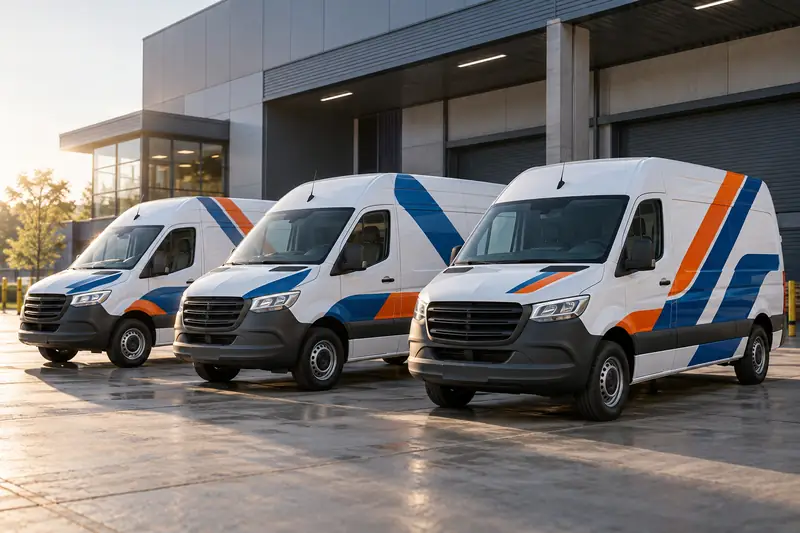
Custom vehicle graphics sit between lettering and a full wrap. A partial design might cover the rear half of a van, the sides below the windows, or a hood and doors, and it blends into the vehicle's paint color. Because the design uses the paint as part of the layout, choose fleet vehicles in a consistent color.
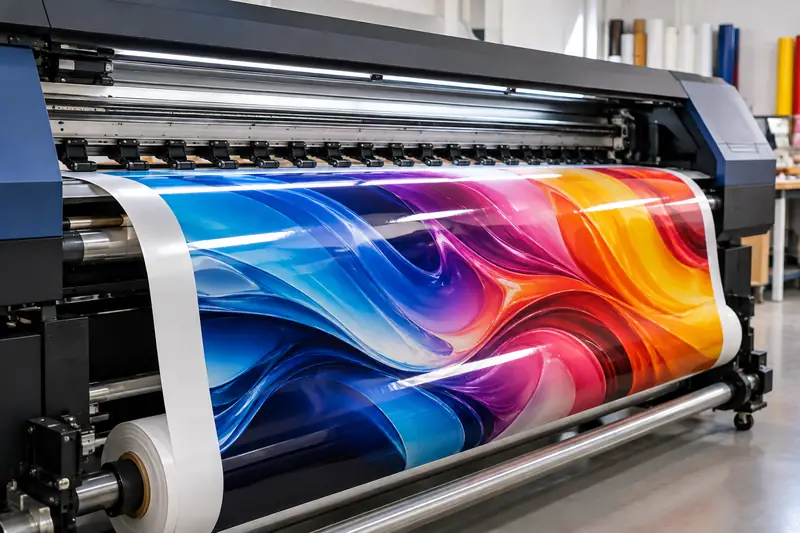
Printed graphics use a printable vinyl with a matching overlaminate. The laminate protects the ink from UV fading, abrasion, fuel splashes and pressure washing, and it sets the final finish: gloss for punchy colors, matte or satin to reduce glare. Our printable vinyl range includes media for both printed graphics and cut lettering.
Fleet wraps and commercial fleet graphics
A fleet wrap covers the whole vehicle, so the design can use any background color and run over every panel. For commercial fleet wraps, the challenge is less about one perfect vehicle and more about making 10, 50 or 200 vehicles match over several years.
What makes fleet vehicle wraps consistent
- Lock the artwork. Build vehicle-specific templates for each model and year, and keep master files under version control.
- Fix the material system. Use one printable film and one laminate across the whole program. Changing either can shift color and finish.
- Color-manage the printer. Use the correct print profile for the film and print a test strip at the start of each batch.
- Panel consistently. Cut panels at the same seams on every vehicle so replacements can be printed later without redesign.
- Record batches. Note film and laminate batch numbers per vehicle so you can match repairs.
- Plan replacements. Fleet vehicles get damaged. Keeping print files ready for individual panels saves the customer money.
Cast vs calendered film for fleet wraps
Box trucks with flat sides can sometimes use calendered or intermediate films for flat areas, but vans with deep recesses, rivets and corrugated panels need conformable cast printable film. Calendered film forced into recesses tends to shrink back and lift over time. When in doubt, match the film to the most difficult part of the vehicle.
Does car wrap advertising work?
Vehicle wrap advertising is popular with trades, delivery firms and local service businesses because a wrapped vehicle is seen every day it is on the road or parked at a job site, with no recurring media fee after installation. The real return depends on how often vehicles are driven, where they go and how clear the design is. Simple layouts with one message, a recognizable logo and a short website or phone number usually work better than busy designs.
Some wrap advertising companies pay private drivers to carry branded graphics. For a sign shop, the more reliable business is producing and maintaining graphics for companies that own their vehicles.
Production workflow for a commercial vehicle graphics job
- Survey the vehicle. Measure, photograph and note body damage, rust and existing decals.
- Design on a template. Use an accurate vehicle template and show the customer a proof on every side.
- Choose film and laminate. Cast for curves, intermediate for flat work, cutting vinyl for lettering.
- Print and outgas. Let solvent and eco-solvent prints dry fully before laminating, following the ink and media guidance.
- Laminate and trim. Laminate on a flatbed or roll laminator; a large squeegee works for small panels.
- Prepare the vehicle. Wash, remove old graphics and adhesive, then degrease with isopropyl alcohol.
- Install and post-heat. Squeegee from the center out, work film into recesses with heat, and post-heat per the data sheet.
- Hand over care instructions. Fleet drivers should avoid aiming pressure washers at edges.
For tool choices, see our wrap squeegee guide.
Sourcing film for fleet and sign work
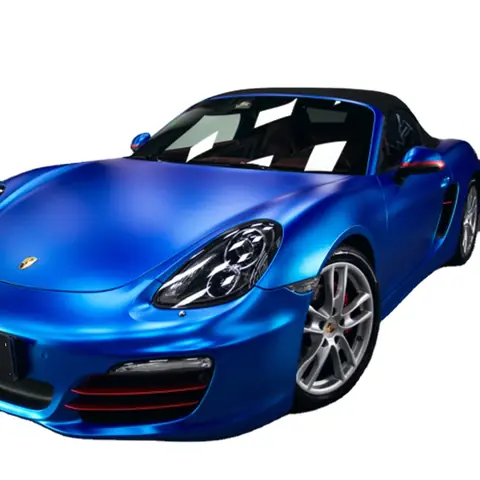
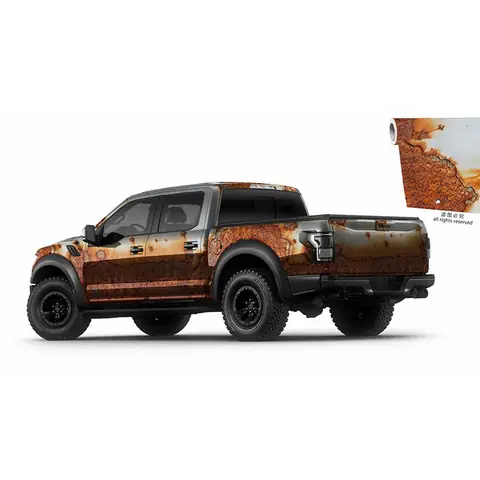
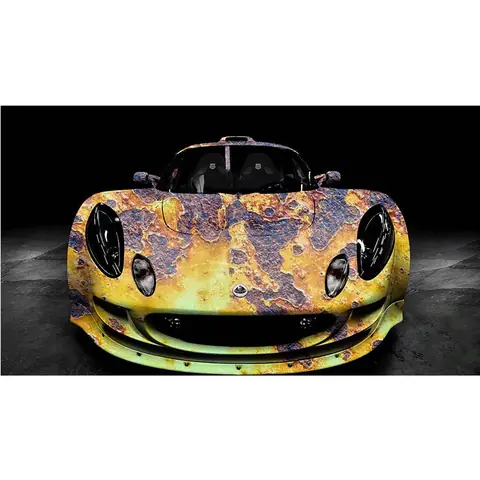
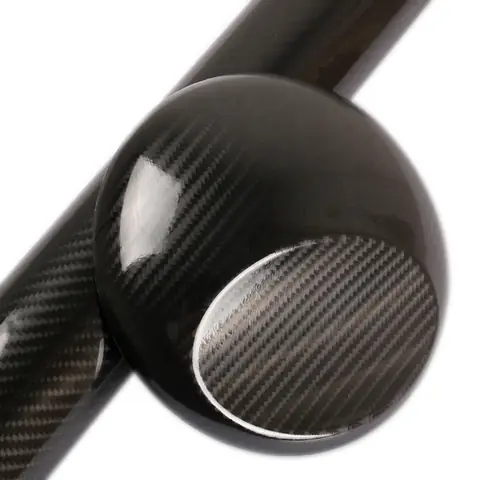
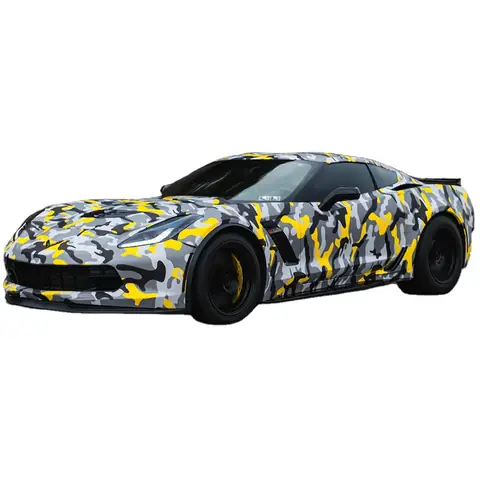
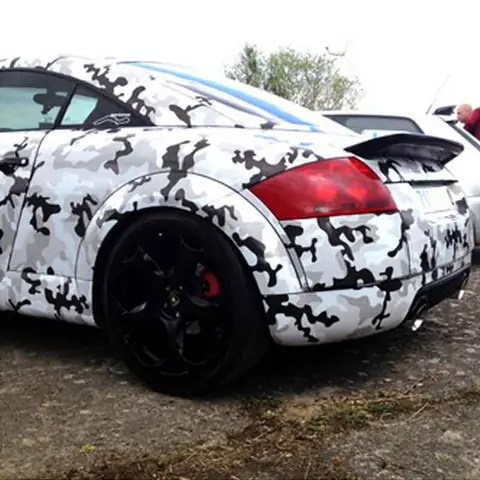
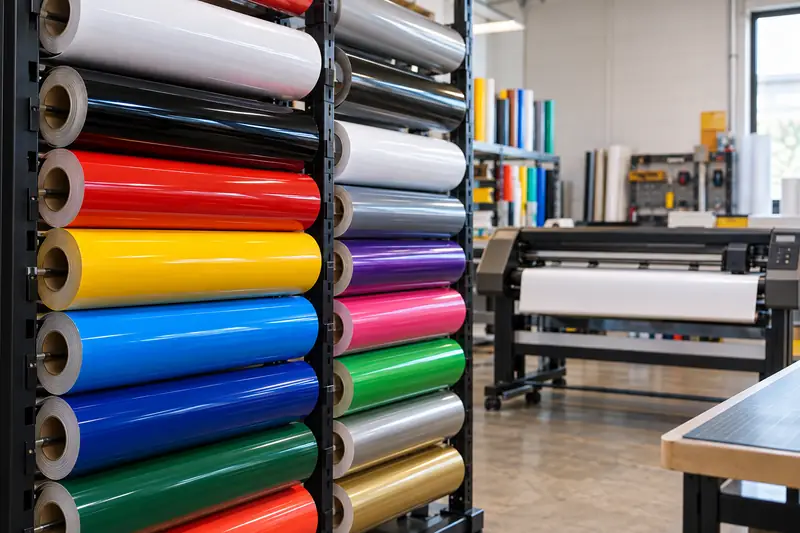
Mars Decorative Film makes printable and cutting vinyl as well as printed effect films such as carbon fiber and camo for accents. Rolls are 1.52 m wide, the MOQ is one roll, and every batch is numbered so fleet programs can reorder matching material. Request free samples to run print tests on your own printer before quoting a large program.
Frequently asked questions
How much does vinyl lettering for a car cost?
Simple door lettering for a car or van is typically in the range of roughly USD 150–600, depending on size, number of colors and installation. Multi-layer logos and lettering on several sides cost more. Prices vary by region and shop.
How long does vinyl vehicle lettering last?
Lifespan depends on the film grade, sun exposure and care. Long-life cast films on vertical surfaces typically last several years, while economy films are designed for shorter terms. Always check the outdoor durability stated on the film's data sheet.
Can vehicle graphics be removed without damaging paint?
On factory paint in good condition, commercial vehicle graphics designed to be removable usually come off cleanly when warmed with a heat gun and peeled slowly. Old, sun-baked graphics can break into small pieces and leave adhesive behind, which needs a film-safe adhesive remover.
What is the difference between fleet graphics and fleet wraps?
Fleet graphics usually means lettering and partial printed designs that use the vehicle's paint color as background. Fleet wraps cover the whole vehicle with printed film. Wraps give more design freedom; graphics cost less per vehicle.
What vinyl is best for vinyl lettering on cars?
Intermediate or cast cutting vinyl with a permanent outdoor adhesive is the usual choice for car lettering. These films handle sun and washing better than short-term indoor craft vinyl, and they conform better over light curves.
Do I need a laminate on printed vehicle graphics?
Yes, for almost all printed vehicle work. The laminate protects the ink from UV, scratches and fuel, and it makes the graphic easier to clean. Cut solid-color lettering does not need laminating because the color runs through the film.