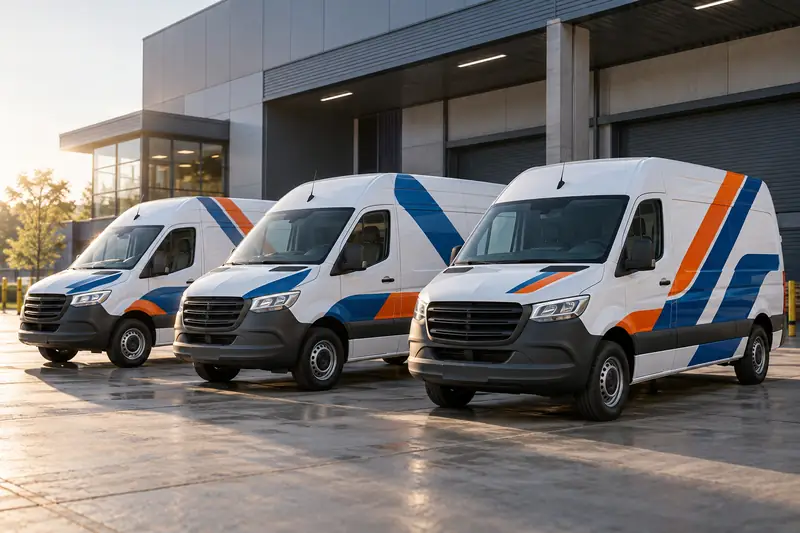
Signage & printable · 7 min read
Vinyl printer guide: printable vinyl for wraps, decals and signs
Vinyl printer guide: which printers, cutters and printable vinyl you need for car wraps, decals, banners and signs, plus ink types and lamination.
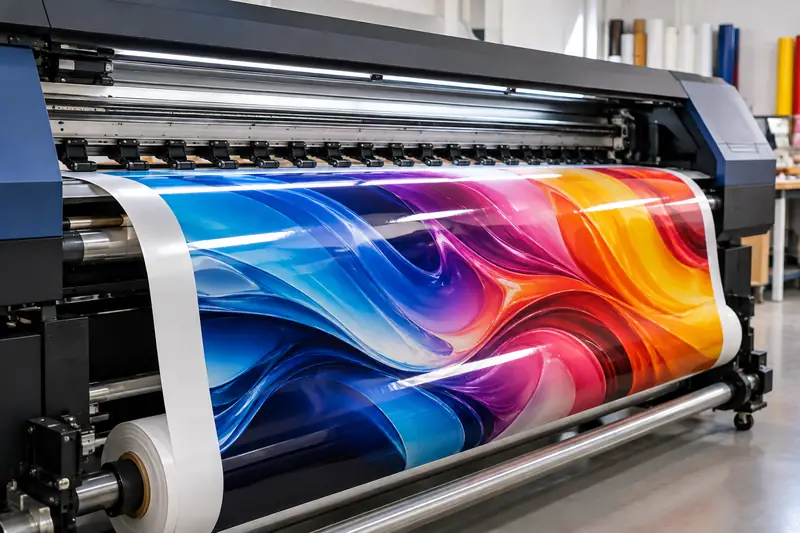
Short answer: A vinyl printer is a large format inkjet printer, usually eco-solvent, latex, UV or resin, that prints onto white printable adhesive vinyl. For car wraps you need a printer at least 1.37–1.6 m wide, cast air-release printable vinyl, a matching laminate and a cutter for decals.
A vinyl printer and the right printable vinyl are the core of any sign shop or print-and-wrap business. This guide explains which printer technologies work for vehicle wraps, decals and banners, how to choose printable adhesive vinyl and laminate, and when a printer-cutter combo makes sense. It is written for sign shops, wrap shops and distributors, with notes for hobby users asking whether you can print on vinyl at home.
Key takeaways
- Vehicle wraps are printed on large format inkjet printers using eco-solvent, latex, UV or resin inks — not on desktop printers.
- A vehicle wrap printer is typically 1.37–1.6 m (54–64 in) wide so it can print full 1.52 m roll widths.
- Printable vinyl for wraps should be cast film with air-release adhesive; calendered printable vinyl suits flat signs and short-term graphics.
- Printed vinyl should almost always be laminated for UV protection, scratch resistance and conformability.
- Banners usually use PVC banner material rather than adhesive vinyl.
- Printable vinyl sheets for desktop inkjet printers are a different, hobby-grade product.
Can you print on vinyl?
Yes. Most printed graphics you see on vans, store windows and trade-show walls are printed directly onto white or clear adhesive vinyl. The key is matching the ink to the media:
- Professional large format printers use inks designed to bond with PVC, so the print is durable outdoors.
- Desktop inkjet printers need special printable vinyl sheets with an ink-receptive coating. These are fine for indoor stickers and crafts but are not suitable for vehicle wraps.
If you are printing for vehicles or outdoor signs, you need a large format vinyl printer and media rated for that printer's ink.
Types of vinyl printers
| Printer ink type | How it works | Strengths | Watch-outs |
|---|---|---|---|
| Eco-solvent | Mild solvent ink bites into vinyl surface | Wide color gamut, common in wrap shops, good media compatibility | Prints need outgassing time before lamination |
| Latex (water-based) | Heat-cured water-based ink | Prints come out dry, low odor, can laminate soon | Higher heat can affect thin films |
| UV-curable | Ink cured instantly by UV light | Prints on rigid and flexible media, fast | Some UV inks are less stretchy for deep curves |
| Resin | Resin-based ink cured with heat | Fast drying, good for wraps | Equipment ecosystem is narrower |
Any of these can print vehicle graphics, but eco-solvent and latex printers are the most common choices for wrap shops. Follow the media maker's profiles and the printer's settings for each film.
Large format vinyl printer sizes
- 54 in (1.37 m): entry level for signs and decals; wrap panels need more seams.
- 64 in (1.6 m): the common size for vehicle wraps, printing full 1.52 m roll widths.
- Wider (2.5 m+): used for billboards, banners and big fleet work.
Vinyl printer and cutter combos
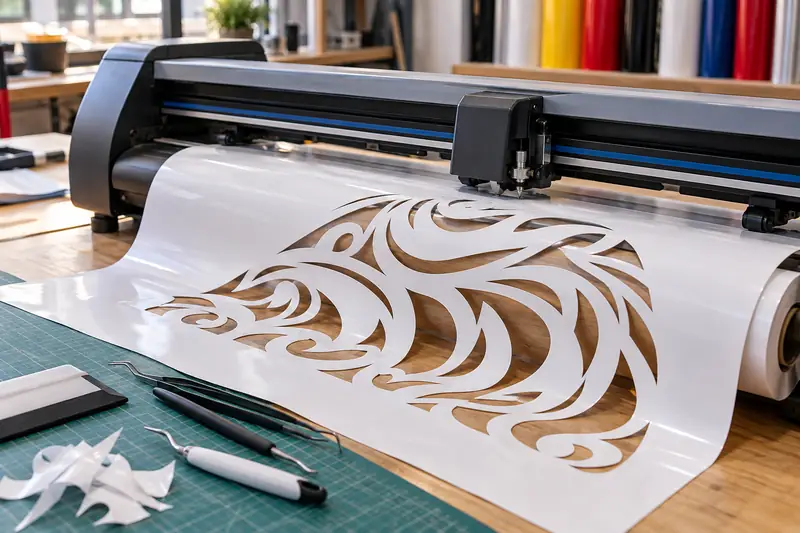
A vinyl printer and cutter combo — sometimes called a print-and-cut machine — prints a graphic and then contour-cuts it on the same machine. This is efficient for stickers, labels and small decals.
For larger volumes, many shops prefer a separate printer and a standalone cutting plotter. The printer keeps printing while the cutter works on the previous job, and either machine can be replaced independently. When people search for the best vinyl printer cutter combo, the honest answer is that the right one depends on volume: combos save space for small shops, while separate machines scale better.
Choosing printable vinyl
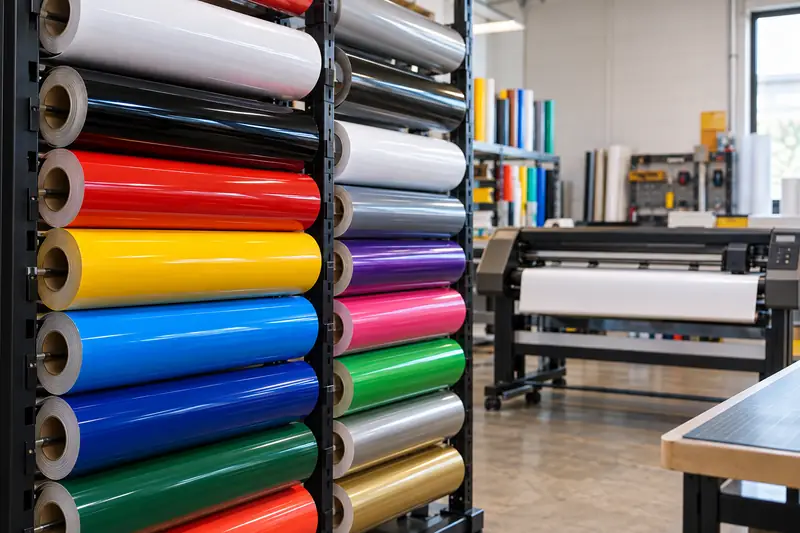
Not all printable vinyl is the same. The main choices:
Cast vs calendered printable vinyl
- Cast printable vinyl is thin, conformable and dimensionally stable. It is the standard for full vehicle wraps, deep recesses and rivets.
- Calendered printable vinyl (monomeric or polymeric) is stiffer and cheaper. It works for flat surfaces, window graphics, wall graphics and short-term signs.
Adhesive types
- Permanent adhesive for long-term outdoor signs and vehicle graphics. "Printable permanent vinyl" usually means this. Note that most vehicle wrap adhesives are designed to be removable within the film's rated life.
- Removable adhesive for short promotions and wall or window graphics.
- Air-release adhesive with micro channels that let trapped air escape — essential for wraps.
Clear and specialty printable vinyl
- Clear printable vinyl works for window graphics and decals where the background should show through. White ink or careful design is needed for opacity.
- Perforated window film lets people see out while graphics show from outside.
- Waterproof printable vinyl — most professional printable vinyl is water-resistant once printed with suitable inks and laminated. Desktop vinyl sheets vary widely, so check the product details.
Browse our printable and cutting vinyl range for wrap and sign media options.
Printing vehicle wraps
A car wrap printer job needs more care than a flat sign. A typical workflow:
- Get an accurate vehicle template and build the design with bleed on every panel.
- Print on cast air-release printable vinyl using the correct media profile.
- Let solvent-based prints outgas fully before laminating — check the ink and media guidance.
- Laminate with a cast laminate that matches the base film's conformability (gloss, satin or matte).
- Trim, label panels and install with heat and post-heating as the data sheet specifies.
Skipping outgassing or using a stiff calendered laminate over cast film are two common reasons printed wraps lift or shrink. For truck and van layouts, see our guide to truck and van wraps.
Printed vinyl without a printer
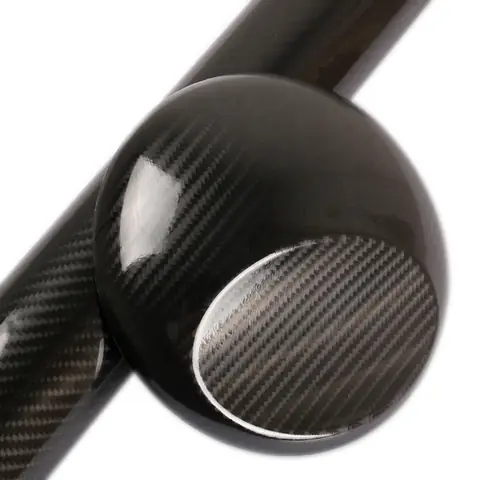
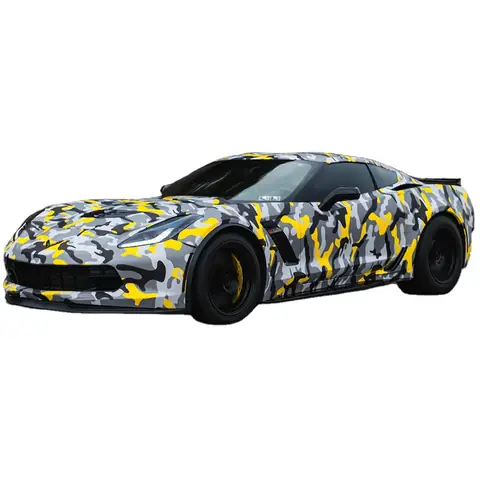
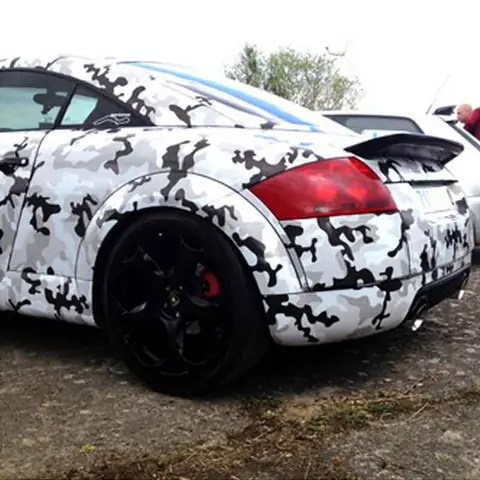
Not every shop needs a printer. Pre-printed effect films — carbon fiber, camo, wood, brushed metal, even patterns like leopard print — are manufactured as finished rolls. A leopard print car wrap or camo wrap can be installed like any color-change film without design or printing. See printed and effect vinyl and our guide to camo vinyl wrap.
Vinyl sign printing and banners
Vinyl sign printing
Most indoor and outdoor signs use printed adhesive vinyl mounted on rigid boards, windows or walls. Calendered printable vinyl is usually enough for flat signs. For cut lettering without printing, sign shops use colored cutting vinyl — see our guide to cutting vinyl and sign vinyl.
How to print large vinyl banners for sports events
Large banners for sports events, fences and stages are usually printed on PVC banner material (frontlit or mesh) rather than adhesive vinyl:
- Choose frontlit banner for solid displays, or mesh banner for windy outdoor fences.
- Design at the right resolution for viewing distance — large banners viewed from far away do not need very high DPI.
- Print on a large format printer wide enough for the banner, or print in panels and weld or sew them together.
- Hem the edges and add grommets or pole pockets.
- Add wind slits or use mesh for large outdoor banners.
| Application | Typical media | Laminate needed? |
|---|---|---|
| Full vehicle wrap | Cast printable vinyl, air-release | Yes, cast laminate |
| Flat van or truck side | Cast or polymeric calendered vinyl | Yes |
| Window graphics | Perforated or clear printable vinyl | Optional, often for durability |
| Wall and floor graphics | Removable or floor-rated vinyl | Floor graphics need an anti-slip laminate |
| Event banners | PVC frontlit or mesh banner | No |
| Indoor stickers | Calendered printable vinyl or desktop sheets | Optional |
Buying printable vinyl for your shop
Mars Decorative Film makes printable and cutting vinyl alongside color-change and effect films, in standard 1.52 m wide rolls with MOQ of one roll. Every batch is numbered and inspected so print results stay consistent from roll to roll. Request free A4 samples to test media on your own printer and ink before ordering in volume.
Frequently asked questions
Can you print on vinyl?
Yes. Professional large format printers with eco-solvent, latex, UV or resin inks print directly on printable adhesive vinyl. Desktop inkjet printers need special printable vinyl sheets and are suited only to indoor and hobby use.
What kind of printer do you need for vinyl wraps?
You need a large format inkjet printer, typically 1.37–1.6 m wide, using eco-solvent, latex, UV or resin inks. The 1.6 m size is common because it prints full 1.52 m roll widths for fewer seams.
Do you need to laminate printed vinyl?
For vehicle wraps and outdoor graphics, yes. Laminate protects the print from UV fading, scratches and fuel splashes, and it helps the film stretch evenly during installation.
Is a vinyl printer and cutter combo worth it?
A combo saves space and works well for stickers and small decals. Busy shops often prefer a separate printer and cutter so both can run at the same time.
Is printable vinyl waterproof?
Professional printable vinyl is water-resistant once printed with suitable inks and laminated. Hobby printable vinyl sheets vary, so check whether the product is rated for outdoor use.
How do you print large vinyl banners for sports events?
Use PVC frontlit or mesh banner material on a wide large format printer, or print in panels and join them. Hem the edges, add grommets and use mesh for windy outdoor locations.