Vinyl wraps · 7 min read
Truck decals, truck wraps and van wraps: a practical buyer's guide
Truck decals, truck wraps and van wraps compared: materials, design ideas, Jeep and hood wraps, bus wrap film, and how to start a vehicle wrap business.
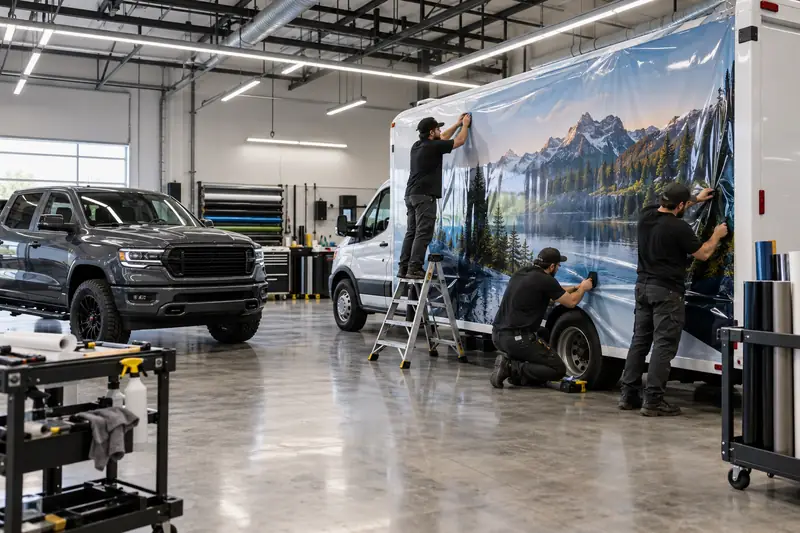
Short answer: Truck decals are cut or printed vinyl graphics applied to part of a vehicle, while truck and van wraps cover whole panels or the full body. Use cut vinyl decals for lettering and logos, printed and laminated cast vinyl for advertising wraps, and solid color-change film for custom truck and Jeep wraps.
Truck decals, full truck wraps and van wraps all use adhesive vinyl, but they are different products with different materials, prices and install methods. This guide is for wrap shops, sign shops and fleet buyers who need to match the right film to each commercial or custom job — from a simple door logo to a full advertising van, a matte Jeep or a trailer graphic.
Key takeaways
- Truck decals cover part of a vehicle (lettering, logos, stripes); wraps cover whole panels or the full body.
- Cut decals usually use colored sign vinyl; printed wraps use white printable cast vinyl plus a matching laminate.
- Full printed van wraps are the most common commercial job because vans have large, flat, high-visibility sides.
- Hood, roof and partial wraps are popular low-cost upgrades for trucks and Jeeps.
- Window graphics on trucks and vans normally use perforated window film so the driver can still see out; rules vary by location.
- Standard 1.52 m (5 ft) wide rolls cover most van side panels with few seams.
Truck decals vs truck wraps vs van wraps
Customers often use these terms loosely, so it helps to define them before quoting.
| Option | Coverage | Typical material | Best for |
|---|---|---|---|
| Cut truck decals | Lettering, logos, stripes | Colored cutting vinyl | Company name, DOT-style info, simple branding |
| Printed decals and spot graphics | Doors, tailgate, rear window | Printable vinyl + laminate | Full-color logos, photos |
| Partial wrap | One-third to half of the vehicle | Printed or color-change vinyl | Advertising on a budget |
| Full wrap | Whole body | Cast printable or color-change vinyl | Fleet branding, custom color change |
| Hood or roof wrap | Single panel | Color-change, carbon or matte vinyl | Custom looks, contrast accents |
Custom truck decals
Custom truck decals are usually plotted from colored sign vinyl and applied with transfer tape. They are fast, cheap and easy to change when a phone number or logo updates. For full-color or photographic decals, shops print on white printable vinyl, laminate and contour-cut. Truck decal stickers for side windows or tailgates follow the same process at smaller sizes.
Truck wraps and custom truck wraps
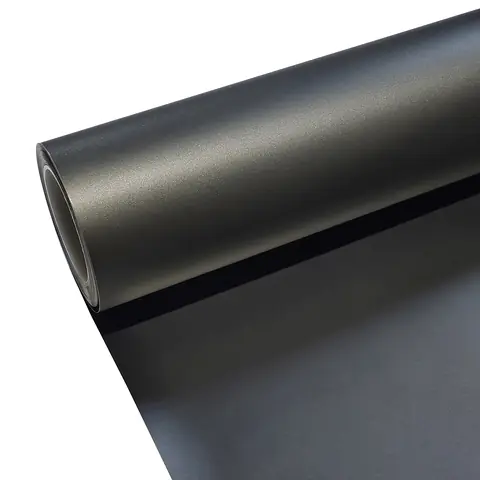
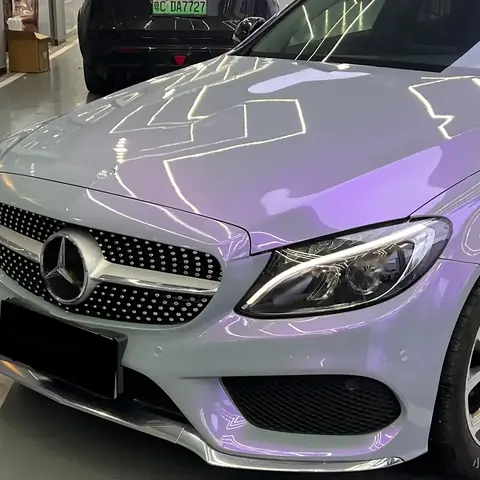
A vinyl wrap truck job covers the cab, bed sides and tailgate, and sometimes the bumpers. For a color change, shops use solid gloss, satin or matte film from a PVC vinyl wrap range. For commercial truck wraps with company branding, printed cast vinyl is the norm.
Van wraps and van vehicle wraps
Vans are the classic advertising vehicle. Large flat sides, high roofs and rear doors give a lot of space for graphics, and the panels are relatively easy to wrap compared with a sculpted car.
Van advertising wraps and commercial truck wraps
Most van advertising wraps are full-color printed graphics. A typical workflow:
- Measure the vehicle and get an accurate template for that model and roof height.
- Design with bleed around every panel edge and keep text away from door gaps, handles and body lines.
- Print on white air-release cast vinyl suited to vehicle wraps.
- Let the ink outgas (follow the ink and media data sheet), then laminate with a matching cast laminate.
- Install panel by panel, aligning printed panels across doors and gaps.
- Post-heat all recesses and edges, following the film's data sheet.
Commercial truck wraps on box trucks follow the same steps. Box bodies are mostly flat, but rivets and corrugated sides need extra care and post-heating.
Bus wrap material and trailer wraps
Bus wrap material and trailer wraps cover very large areas, often with rivets, corrugation and seams. Cast printable vinyl with air-release adhesive is the usual choice for curved or riveted surfaces. On perfectly flat trailer sides, some shops use calendered printable vinyl to save cost, especially for shorter campaigns. Bus windows typically get perforated window film so passengers can see out. Our guide to fleet wraps and vehicle graphics covers larger fleets in more detail.
Truck wrap ideas and van wrap designs
Good design sells the wrap more than the film does. Some ideas that work well:
- Two-tone trucks: gloss black roof and pillars over a body color, or a contrasting hood.
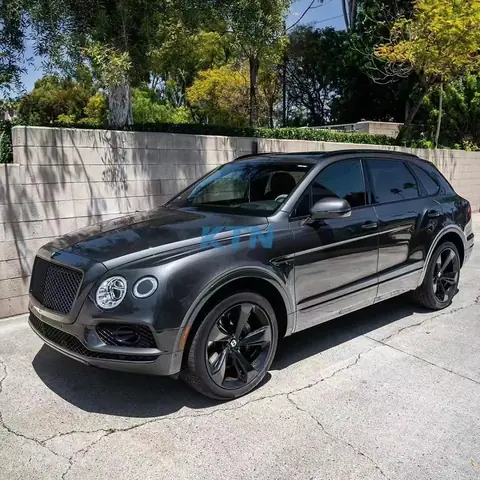
- Matte or satin color change: satin dark grey, matte olive or matte black are common on pickups.
- Accent stripes: racing stripes, side stripes or tailgate graphics in cut vinyl.
- Camo and texture: printed camo or printed and effect films like carbon fiber for hoods and trim.
- Clean commercial layout: big logo, one clear service line, phone or website, readable from across the street.
Cool van wraps and cool truck wraps usually follow the same rule: fewer, bigger elements beat busy layouts. Test the design at a distance before printing.
Hood wraps and car hood wraps
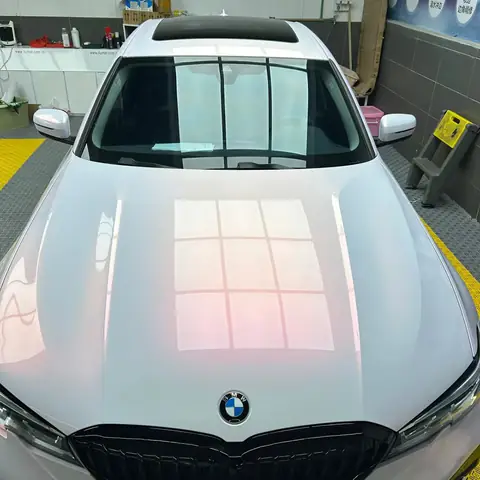
A hood wrap is one of the most popular single-panel jobs. Satin black, matte black and carbon fiber are the common choices, used to cut glare or add contrast. Because a hood is one large panel, it is also a good first project for new installers. Satin and matte finishes also hide minor surface flaws better than gloss.
Jeep wraps and Jeep Wrangler vinyl wrap
Jeep owners wrap their vehicles often, partly because many drive off-road and want to protect or refresh the factory paint. Common Jeep vinyl wrap jobs:
- Full color change in matte or satin colors.
- Hood, fender and tub accents.
- Camo or topographic map prints.
- Removable graphics for trail events.
A Jeep Wrangler vinyl wrap has flat panels but many edges, hinges and removable parts. Doors and hardtops are often removed to wrap edges properly. For off-road use, thicker films or color PPF on the most exposed areas can handle brush and gravel better than standard vinyl.
Window decals for trucks and windshield decals
Window decals for trucks come in two forms:
- Solid cut vinyl for small logos, lettering and rear window graphics.
- Perforated window film for full rear-window graphics, which looks solid from outside while the driver can see through it from inside.
Truck windshield decals, such as top-strip banners, are tightly regulated in many places because they affect the driver's view. Rules for windshield and window graphics vary by country and state, so check local regulations before installing.
How to start a vehicle wrap business
Many sign shops and detailers add wraps as a service. A realistic starting plan:
- Train first. Practice on hoods, mirrors and bumpers before taking paid full wraps. Hands-on courses help speed this up.
- Choose your services. Cut decals and spot graphics need a vinyl cutter. Printed wraps need a large format printer, laminator and cutting plotter. Color-change wraps need only film and tools.
- Set up a clean, warm bay. Dust and cold temperatures cause most adhesion problems.
- Buy proper tools. Squeegees, felt buffers, knifeless tape, blades, a heat gun and an infrared thermometer. A basic kit is inexpensive compared with the film itself.
- Pick reliable film suppliers. Consistent color and adhesive from roll to roll reduces redos.
- Build a portfolio. Photograph every job and post before-and-after shots.
Customers asking "where can I get my truck wrapped" usually search locally and compare portfolios and reviews, so a strong photo gallery matters as much as price. Our guide to car wrap cost helps when building a price list.
Buying film for your shop
Mars Decorative Film supplies color-change PVC, PET liner, printable and effect vinyl from its Shanghai factory in 1.52 m wide rolls, with MOQ of one roll and mixed colors welcome. In-stock films typically ship in 3 business days. Request free samples to test films on a hood or door before buying in volume.
Frequently asked questions
What is the difference between truck decals and a truck wrap?
Truck decals cover only part of the vehicle, such as lettering, logos or stripes. A truck wrap covers whole panels or the full body. Decals are cheaper and faster; wraps give a full new look or full-coverage advertising.
What material is used for van wraps?
Most printed van wraps use white air-release cast vinyl with a matching cast laminate. Color-change van wraps use solid colored wrap vinyl. Windows are usually covered with perforated window film.
Where can I get my truck wrapped?
Look for a local wrap shop with a portfolio of trucks similar to yours, clear written quotes and a workmanship warranty. Ask which film they use, what parts they remove and whether door jambs are included.
How do I start a car wrapping business?
Start with training and practice panels, then set up a clean, warm work bay and buy professional tools. Decide whether you will offer cut decals, printed graphics or color-change wraps, since each needs different equipment.
Can you wrap just the hood of a truck?
Yes. Hood wraps are one of the most common single-panel jobs, usually in satin black, matte black or carbon fiber. They cost far less than a full wrap and can be removed later.
Are window decals on trucks legal?
It depends on where you drive. Rules on rear and side window graphics and windshield banners vary by country and state, so check local regulations before installing.
Is a Jeep a good vehicle to wrap?
Yes, Jeeps are popular to wrap because of their flat panels and removable doors and tops. The many edges and hinges need careful work, and off-road owners may add thicker film on exposed areas.