Vinyl wraps · 7 min read
Car wrap colors: how to choose the right shade and finish
A practical guide to car wrap colors — purple, blue, green, red, white and brown wraps, how finish changes a shade, and which colors shops should stock.
Short answer: The best car wrap colors depend on the car's shape, how it will be used and the finish. Gloss blacks, whites, greys and blues sell steadily, while midnight purple, deep greens and color-shift films suit owners who want attention. Always judge a color from a physical sample in daylight, because screen photos rarely match the real film.
Choosing car wrap colors is the step owners spend the most time on and the one installers most often have to steer. A color that looks perfect on a phone screen can turn flat, too bright or oddly tinted once it is on a real body panel in sunlight. This guide is for wrap shops, distributors and car owners who want to understand how popular shades behave, how finish changes a color, and how to choose one with fewer surprises.
Key takeaways
- Vinyl wrap colors are only half the decision; the finish (gloss, satin, matte, metallic, color shift) changes how the same pigment reads on a car.
- Gloss black, white, grey and blue are the steady sellers in most markets; purples, greens and browns move in waves with trends.
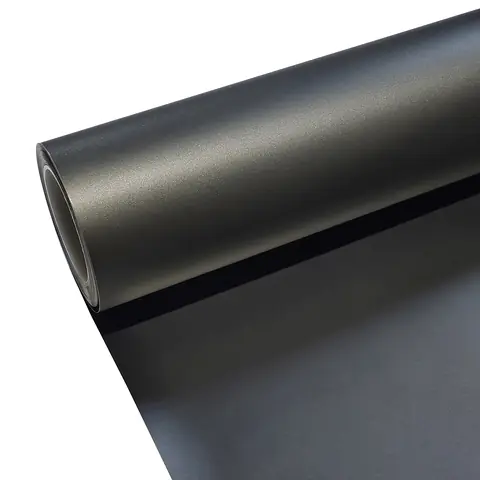
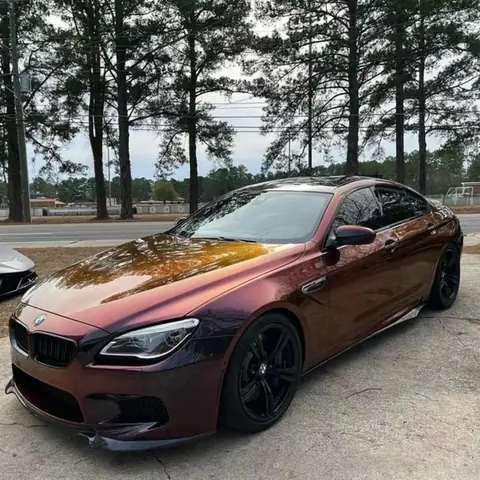
- Midnight purple wraps are usually a very dark purple with a metallic or pearl flake that shows purple in sunlight and near-black in shade.
- White wraps need the most care in installation and cleaning, because stretch marks, edges and dirt show quickly.
- Always order a physical sample: screens and photos shift color, and batch-to-batch tolerance matters on large jobs.
How finish changes car wrap colors
The same pigment looks very different depending on the surface. Before picking a shade, decide on the finish, because it often narrows the color list on its own.
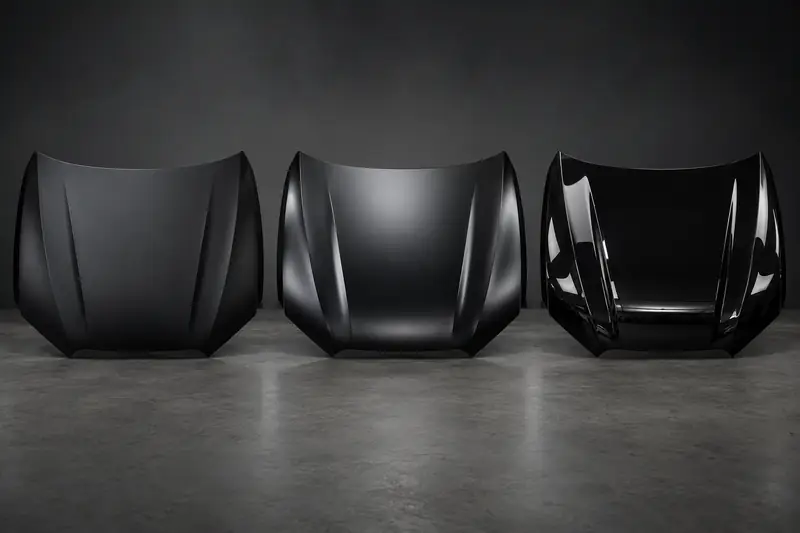
| Finish | How it looks | Good for | Watch out for |
|---|---|---|---|
| Gloss | Deep, wet, close to paint | Classic colors, daily drivers | Shows swirl marks and stretch lines |
| Satin | Soft sheen, highlights body lines | Greys, dark blues, purples | Can look uneven if overstretched |
| Matte | No reflection, flat | Blacks, military greens, sand tones | Harder to clean; oils leave marks |
| Metallic / pearl | Flake catches light | Purples, blues, reds | Flake direction should match across panels |
| Color shift | Changes hue with viewing angle | Show cars, attention seekers | Panels must be laid in the same direction |
For a deeper look at the surfaces themselves, see our guide to gloss, satin, matte and chameleon finishes. If the owner wants a near-paint gloss, PET liner vinyl usually gives a smoother surface with less orange peel than standard PVC.
Best car wrap colors that keep selling
Some vehicle wrap colors stay in demand year after year because they suit most body shapes and age well.
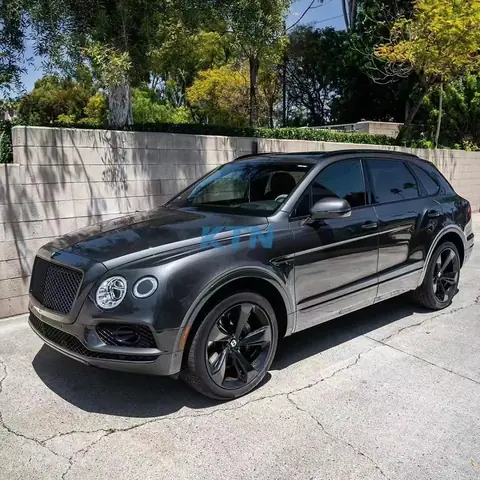
- Gloss and satin black. Easy to sell, hides some panel gaps, but shows dust and swirls in gloss.
- Greys (nardo, cement, battleship). Modern, forgiving and popular on sports sedans and EVs.
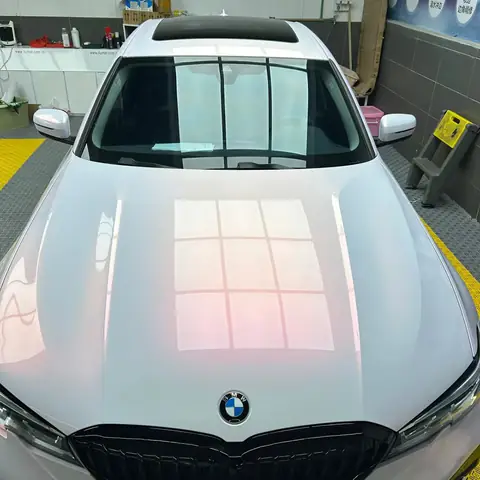
- White and pearl white. Clean look; a common choice for fleets and owners who want to cover a damaged paint color.
- Mid and dark blues. Wide appeal, from navy satin to bright racing blue.
These are good anchor colors for a shop's stock. Trend colors sit on top and change faster.
Purple car wrap and midnight purple vinyl wrap
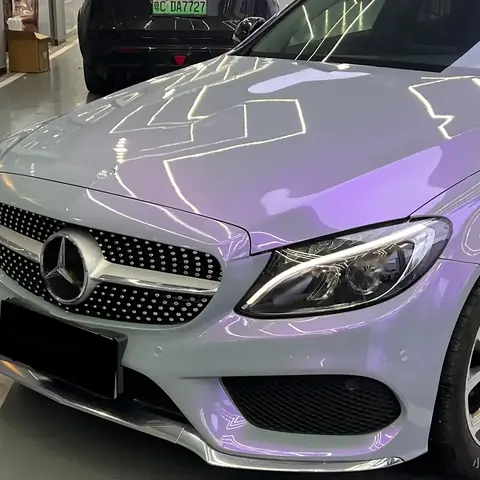
Purple vinyl wrap has become one of the most searched categories, and midnight purple is the shade behind most of that interest. A midnight purple car wrap is typically a very dark base, close to black, with purple or blue-purple metallic flake. In shade it reads almost black; in direct sun the purple comes forward. That two-sided look is why it photographs well and why owners love it in person.
Practical points for a purple wrap:
- Ask whether they want "purple" or "dark with a purple hint." Bright purples (lavender, violet, grape) and midnight purple attract different customers.
- Check flake direction. Metallic and pearl films should be laid in the same roll direction on every panel, or adjacent panels can look like slightly different colors.
- Consider color shift. Some owners searching for purple really want a purple-to-blue or purple-to-green shift. Show both options.
A midnight purple vinyl wrap in satin gives a softer, more modern look; in gloss it looks closer to a custom paint job.
Blue, green and red wraps
Blue car wrap
Blue is the safest bold color. A vinyl wrap car blue job can range from pastel baby blue to deep metallic navy. Bright blues suit compact and sports cars; dark blue satin suits large sedans and SUVs. Vehicle wrap blue shades are also common in fleet branding, because blue logos are so widespread.
Green car wrap
Green wrap demand tends to rise and fall with trends: racing green, olive and military green, and bright lime all have their moments. Matte and satin olive suit off-road trucks and SUVs; gloss dark green suits classic and luxury cars. Green is a color where samples matter most, because small shifts toward yellow or blue are obvious on a full car.
Red car wrap
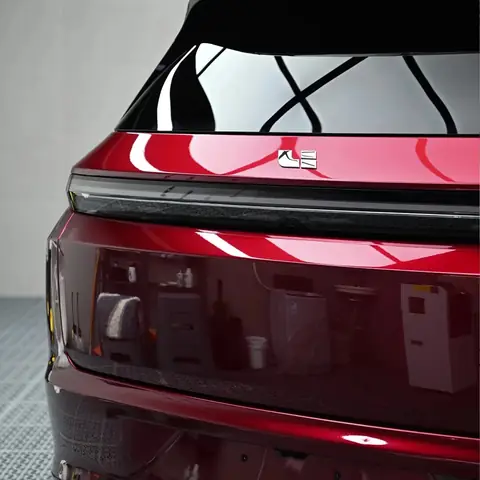
Red vinyl wrap ranges from bright gloss red to darker candy and metallic reds. Reds are pigment-heavy, and in most films bright reds and yellows are more sensitive to long-term sun exposure than neutral colors, so check the film's rated outdoor life on the data sheet. A vinyl wrap car red job on a sports car is a classic choice; candy red with metallic flake reads closer to custom paint.
White wraps and brown wraps
White vinyl wrap
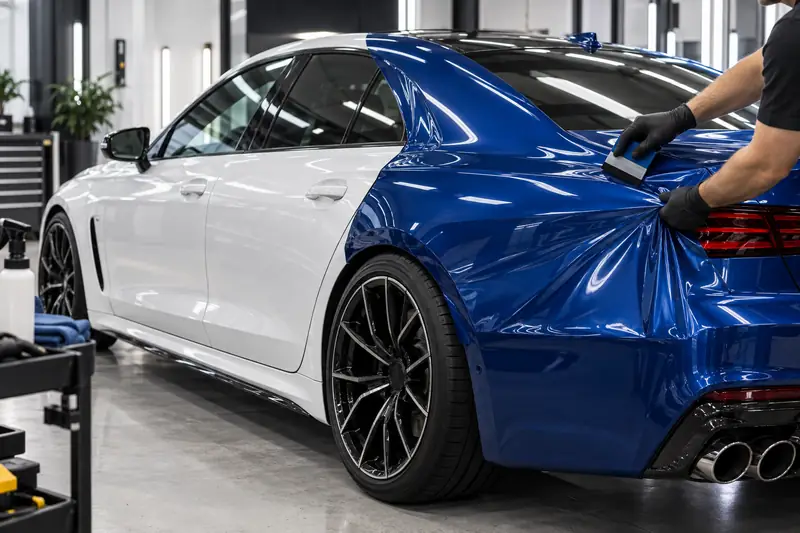
A white car wrap is one of the most requested finishes, especially to cover an older or damaged factory color. White vinyl car wrap is also one of the least forgiving to install:
- Overstretched areas can lighten or show texture.
- Edges and relief cuts are more visible against dark panel gaps, so careful edge wrapping matters.
- Road grime shows quickly; regular washing keeps a white wrap looking new.
Pearl and satin whites hide minor surface marks better than flat gloss white.
Brown wrap cars
Brown has moved from unusual to fashionable in many markets: chocolate metallic, bronze, coffee satin and sand tones. Brown wraps suit luxury SUVs and off-road builds and pair well with black trim. They are a good way for a shop to offer something that looks different without being loud.
Color wrap graphic options beyond solid colors
Not every customer wants a single solid shade. A color wrap graphic can combine a base color with stripes, two-tone roofs or contrasting mirrors and hoods. Options include:
- Two-tone: gloss black roof, pillars and mirrors over a colored body.
- Accent stripes: contrast stripes cut from a second color.
- Effect films: chrome, carbon fiber, brushed metal and color shift from the printed and effect vinyl range.
- Fully printed designs: custom artwork printed on printable vinyl and laminated.
For layout ideas and partial wraps, see our guide to custom car wraps and design.
How to choose a color with fewer surprises
- Start with the finish. Gloss, satin or matte narrows the list quickly.
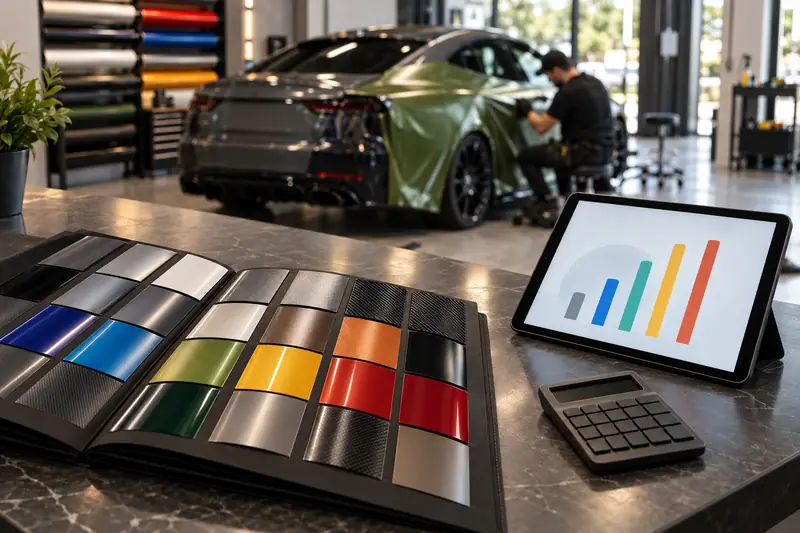
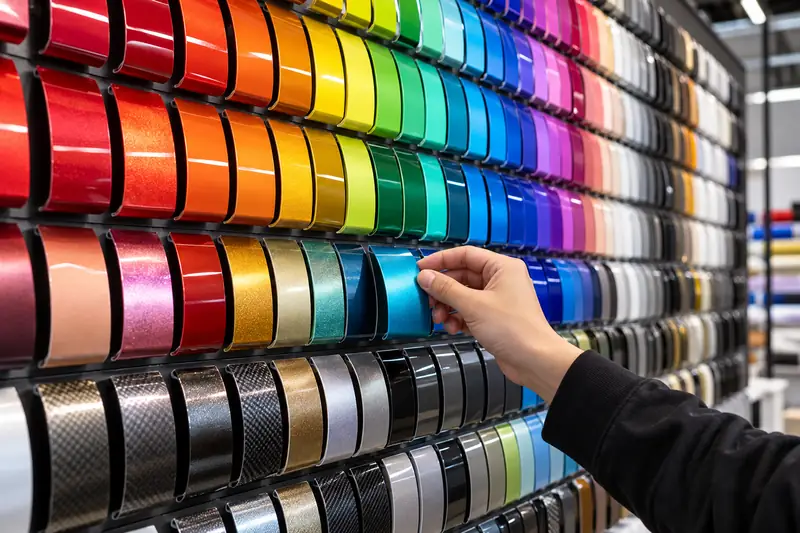
- Look at samples outdoors. View swatches in direct sun, shade and under shop lights.
- Hold the sample against the car. Body lines, trim and wheel color change how a shade reads.
- Check the roll quantity. Order enough from one batch for the whole car; use our guide to how much vinyl you need to estimate length.
- Confirm care needs. Matte and white wraps need more careful washing.
Stocking vehicle wrap colors for your shop
For shops and distributors, the challenge is carrying enough vehicle wrap colors to win jobs without tying up cash in slow movers. A common approach is a core range of neutrals and blues in PVC vinyl, a curated set of premium gloss colors on PET liner, and a rotating selection of trend shades and effects.
Mars Decorative Film adds new colors roughly every three months and supplies 1.52 m wide rolls with an MOQ of one roll, mixed colors welcome, which makes it easier to test trend colors before committing to volume. Every roll is batch-numbered, so reorders can be matched. Trade buyers can request free samples or swatch books.
Frequently asked questions
What are the best car wrap colors?
The best car wrap colors are the ones that suit the car's shape and the owner's plans. Gloss black, greys, whites and blues are reliable choices with wide appeal, while midnight purple, deep greens and browns suit owners who want something more distinctive.
What is a midnight purple wrap?
A midnight purple wrap is a very dark purple film, usually with metallic or pearl flake, that looks almost black in shade and shows purple in direct light. It comes in gloss and satin versions from many manufacturers, and shades vary, so compare samples side by side.
Do some wrap colors fade faster than others?
In most films, bright, saturated colors such as reds, yellows and some vivid purples are more sensitive to long-term UV exposure than neutral greys, blacks and whites. Climate, parking and care matter as much as color, so check the outdoor life on the film's data sheet.
Is a white car wrap hard to maintain?
White wraps show dirt, tar and edges more than darker colors. Regular hand washing and prompt removal of bug and tar spots keep them clean, and pearl or satin whites hide minor marks better than flat gloss white.
Can I match my car's factory paint color with a wrap?
Close matches are sometimes possible, but an exact match is rare because paint and film use different pigments and surfaces. If the goal is to repair one panel, compare several samples against the paint in daylight before ordering.
How many vinyl wrap colors should a new shop stock?
Most new shops start with a compact range of best-selling neutrals and a few blues and trend colors, then order other shades per job. Ordering from a supplier with a low MOQ lets you add colors as demand appears instead of buying a full range up front.