Vinyl wraps · 8 min read
How much does it cost to wrap a car? Car wrap cost explained
Car wrap cost explained: typical price ranges for cars, trucks and vans, what drives the quote, film vs labor, removal costs and how wrap compares to paint.
Short answer: A full professional car wrap typically costs about $2,500 to $6,000 in the US for a standard sedan, with SUVs, trucks and vans running higher and specialty films like chrome or color shift reaching $7,000 to $10,000 or more. Prices vary by region, vehicle size, film grade and shop.
Car wrap cost is the first question almost every customer asks, and the honest answer is "it depends" — on the vehicle, the film, the design and the shop's labor rate. This guide breaks down typical price ranges for cars, trucks and vans, explains where the money goes, and helps wrap shops and car owners understand what a fair quote looks like. All figures are typical US ranges; prices in your region may be higher or lower.
Key takeaways
- A full color-change wrap on a standard sedan typically runs about $2,500–$6,000 at a professional shop in the US.
- Labor is usually the largest part of the bill — often more than half — because a full wrap takes roughly 2–5 working days.
- Film is typically 15–35% of the price; a sedan usually needs one 1.52 × 17–18 m roll plus waste.
- Specialty films (chrome, color shift, textured) can push a full wrap to $7,000–$10,000 or more.
- Partial wraps — roof, hood, mirrors, trim — start from a few hundred dollars.
- Professional removal usually costs a few hundred dollars up to around $1,000, depending on film age and condition.
How much does it cost to wrap a car?
Most customers asking "how much to wrap a car" mean a full color change in a solid gloss, satin or matte film. For that job, a typical professional quote looks like this:
| Vehicle type | Typical full wrap price (USD) | Notes |
|---|---|---|
| Small car / coupe | $2,000–$4,500 | Fewer panels, but tight curves on some models |
| Mid-size sedan | $2,500–$6,000 | Most common job; one roll of 1.52 m film plus spare |
| SUV / crossover | $3,500–$7,000 | More surface area, large bumpers |
| Pickup truck | $3,500–$7,500 | Bed, tailgate and cab add time |
| Full-size van | $3,500–$8,000+ | Large flat sides, often printed graphics |
| Exotic / sports car | $5,000–$12,000+ | Complex aero parts, disassembly, premium films |
These ranges vary by region, vehicle and shop. A busy urban shop with certified installers and a long warranty will quote at the top end; a small shop in a lower-cost area may quote well below it.
How expensive is it to wrap a car compared with other upgrades?
A full wrap usually sits above a set of quality wheels and below a high-end respray. That middle position is why wraps are popular: the customer gets a full new look, protects the original paint underneath, and can go back to stock later.
What drives vehicle wrap cost?
Two quotes for "the same car" can differ by thousands of dollars. These are the main reasons.
Vehicle size and complexity
Square meters of film matter, but complexity matters more. Deep bumper recesses, vents, spoilers and door handles all add trimming, relief cuts and inlays. A boxy van with flat sides can take less time per square meter than a small sports car with sculpted bumpers.
Film type and finish
The film choice changes both material cost and labor:
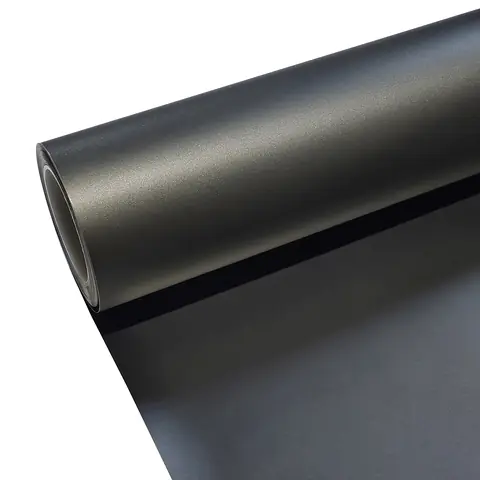
- Cast PVC vinyl in gloss, satin or matte is the standard for full color changes. See our PVC vinyl wrap range for typical finishes.
- PET liner vinyl gives a smoother, paint-like gloss with less orange peel and usually costs a bit more per roll. Our guide to PET liner vinyl wrap explains why.
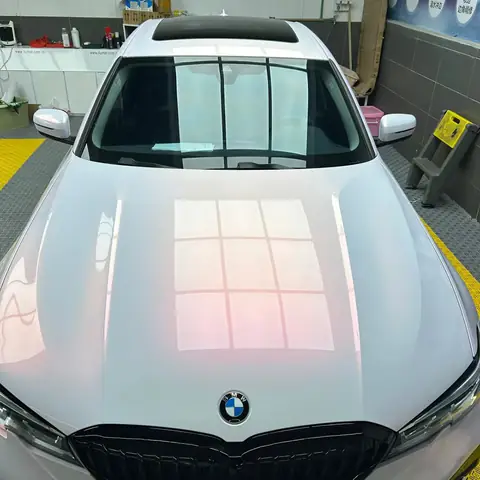
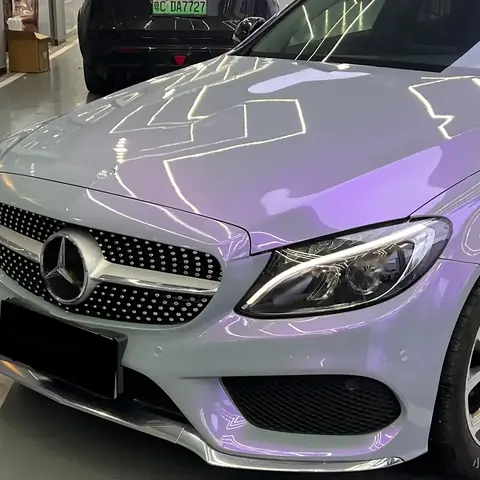
- Chrome, color shift, carbon fiber and other effect films are more expensive and harder to install, so labor goes up too.
- Color PPF (self-healing TPU) costs far more than vinyl but adds stone-chip protection; it is priced closer to paint protection film.
Design and printing
A single solid color is the simplest job. Printed graphics — logos, liveries, full-coverage designs — add design time, printing on printable wrap vinyl, lamination and careful panel alignment.
Coverage and prep
Door jambs, inside edges and full disassembly (handles, lights, badges) make a wrap look closer to paint but can add $500–$2,000 or more. Paint defects, rust and old wrap residue also add prep time.
Shop and warranty
Experienced installers charge more, but they also redo fewer panels and offer workmanship warranties. A cheap quote often means less disassembly, more seams, or a lower-grade film.
Film vs labor: where the money goes
For a typical sedan, a rough split of a professional quote looks like this:
| Cost component | Typical share of the price | What it covers |
|---|---|---|
| Labor | 50–70% | Washing, prep, disassembly, install, post-heat, reassembly |
| Film | 15–35% | One roll plus waste; more for effect films |
| Consumables and tools | 2–5% | Blades, knifeless tape, cleaners, squeegee buffers |
| Overhead and warranty | 10–20% | Bay space, insurance, redo allowance |
A sedan typically needs around 15–18 m of 1.52 m wide film, depending on size and how efficiently panels are planned. Our wrap length calculator helps estimate film for each vehicle class. Rolls are commonly 1.52 × 17–18 m, so most cars fit in one roll with a little left for repairs.
Cost for vinyl wrap film alone
If you are pricing material only, a roll of quality color-change vinyl typically costs anywhere from a few hundred dollars to over $1,000 retail, depending on grade, finish and supplier. Effect films such as chrome sit at the top of that range. Trade buyers who order direct from a manufacturer generally pay less per roll than retail, especially when ordering multiple rolls.
Van wrap pricing and truck wrap costs
Commercial vehicles follow a different logic because they are often printed for advertising rather than color-changed.
How much to wrap a truck
A full color change on a standard pickup typically costs about $3,500–$7,500. Crew cabs, long beds and lifted trucks sit at the higher end. Partial packages — hood, tailgate, stripes or a two-tone roof — are common and usually far cheaper.
How much does a van wrap cost
Van wrap prices depend heavily on coverage:
- Spot graphics and lettering: often a few hundred to around $1,500.
- Partial wrap (sides and rear, printed): roughly $1,500–$3,500.
- Full printed wrap on a cargo van: typically $3,000–$6,000, more for high-roof or extended models.
Fleet owners usually get better per-vehicle pricing when they wrap several identical vans with the same design. For more on commercial graphics, see the truck and van wraps guide.
Is it cheaper to wrap or paint a car?
For a quality color change, wrapping is usually cheaper than a respray of comparable quality. A budget paint job can cost less than a wrap, but it rarely includes door jambs done properly and often shows overspray or uneven finish. A high-quality full respray — especially a color change with jambs, or a matte or pearl finish — commonly costs well above a premium wrap.
Wraps also have practical advantages: they are reversible, protect the factory paint from light scratches and UV, and keep the original color for resale. Paint lasts longer and can be polished and repaired more easily. Our wrap vs paint guide covers the trade-offs in detail.
How much to get a car wrap taken off
Removal is often forgotten in the budget. A professional shop typically charges a few hundred dollars up to around $1,000 for a full car, depending on:
- Film age: wraps removed within their rated life usually come off cleanly in large pieces.
- Film quality: cheap calendered films can crack and leave adhesive behind after years in the sun.
- Paint condition: respray or damaged clear coat may lift with the film.
Removing a wrap on time is cheaper than removing one that has baked on for too long. Knowing a film's rated life helps you plan the timing.
How to get an accurate car wrap quote
Shoppers comparing quotes should ask the same questions of each shop:
- Which film grade and product line will be used — cast or calendered?
- Are door jambs, inside edges and handles included?
- Which parts will be removed and reinstalled?
- How many seams will there be, and where?
- What does the workmanship warranty cover, and for how long?
- Is post-heating included on every edge and recess?
Shops can build trust by answering these in the written quote, rather than only listing a single price.
Buying film for your shop
Film cost is only part of a quote, but consistent film quality cuts redos, which protects your margin. Mars Decorative Film makes and exports gloss, satin, matte, metallic, PET liner and effect films from its Shanghai factory, with every roll batch-numbered and inspected before release. Standard rolls are 1.52 × 17–18 m and MOQ is one roll with mixed colors welcome. Request free samples or browse the printed and effect vinyl range to compare finishes.
Frequently asked questions
How much does it cost to wrap a car?
A full professional wrap on a mid-size sedan typically costs about $2,500–$6,000 in the US. Small cars can be cheaper, while SUVs, trucks and exotic cars cost more. Specialty films like chrome or color shift can push the total to $7,000–$10,000 or more.
How much does it cost to vinyl wrap a car yourself?
If you do it yourself, you mainly pay for film and tools — typically a few hundred dollars to over $1,000 for a roll of quality vinyl, plus a basic tool kit. Expect to buy extra film for mistakes, since first-time installers usually waste more than professionals.
How much does a vehicle wrap cost for a business?
Commercial vehicle wraps depend on coverage and printing. Spot graphics may cost a few hundred dollars, partial printed wraps roughly $1,500–$3,500, and full printed van wraps typically $3,000–$6,000. Fleet orders often get lower per-vehicle pricing.
How much to wrap a truck?
A full color change on a pickup typically costs about $3,500–$7,500, depending on cab and bed size. Partial wraps such as the hood, roof or tailgate are much cheaper and popular with truck owners.
Is it cheaper to wrap or paint a car?
For a high-quality color change, a wrap is usually cheaper than a respray of similar quality. A budget paint job can cost less, but it typically has a lower finish standard and cannot be reversed.
How much to get a car wrap taken off?
Professional removal usually costs from a few hundred dollars up to around $1,000. Older, sun-baked or low-grade films take longer and can leave adhesive residue, which raises the cost.
Why do car wrap quotes vary so much?
Quotes differ because of film grade, how many parts are removed, whether door jambs are included, installer experience and warranty. Compare quotes line by line rather than by total price alone.