Vinyl wraps · 6 min read
Wrap vs paint: is it better to wrap or paint a car?
Wrap vs paint compared on cost, durability, finish, resale value and repairs, plus matte paint job prices and when a vinyl wrap instead of paint makes sense.
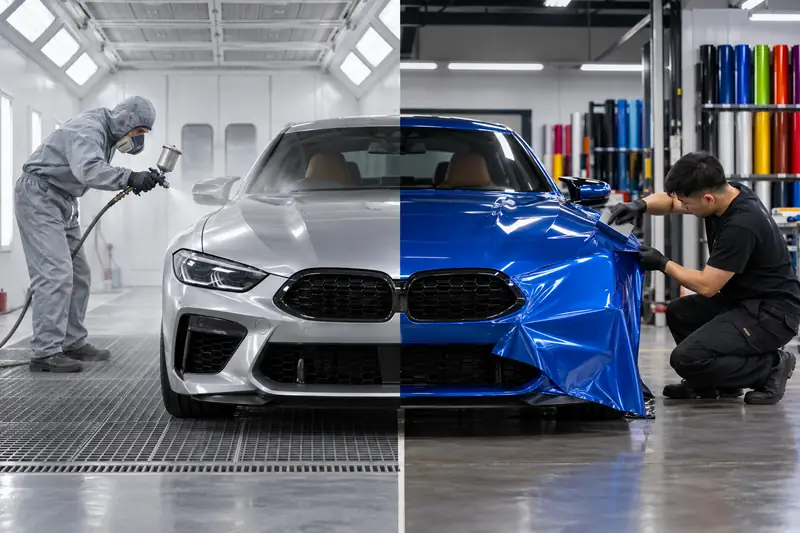
Short answer: Wrap a car when you want a reversible color change, special finishes like matte or color shift, and protection for the factory paint at a lower cost than a quality respray. Paint a car when the existing paint is damaged, you want a permanent finish lasting well over a decade, or you are restoring a classic.
Wrap vs paint is one of the most common decisions in car customization. Both change how a car looks, but they differ sharply in cost, durability, finish options and what happens when you sell the car. This guide compares vinyl car wrap vs paint point by point so car owners can choose, and so wrap shops can explain the trade-offs clearly to customers.
Key takeaways
- A quality full wrap typically costs less than a respray of comparable quality, especially for matte, satin or color-shift finishes.
- Wraps are reversible and protect the factory paint; paint is permanent.
- A cast vinyl wrap typically lasts about 5–7 years; a quality paint job can last far longer with care.
- Wraps cannot fix damaged paint — dents, rust and peeling clear coat must be repaired first.
- Matte paint is hard to maintain and repair; matte wrap film is easier to replace panel by panel.
- Paint generally wins for restorations and cars with failing original paint.
Wrap vs paint at a glance
| Factor | Vinyl wrap | Paint |
|---|---|---|
| Typical cost (full car, US) | About $2,500–$6,000 for standard films | From a few thousand for basic work to well over $10,000 for high-quality color changes |
| Time | About 2–5 days | Often 1–3 weeks or more |
| Lifespan | About 5–7 years for quality cast film | Often 10+ years with care |
| Reversible | Yes | No |
| Finish options | Gloss, satin, matte, chrome, color shift, textures, prints | Gloss and metallic common; matte and pearl cost extra |
| Protects factory paint | Yes, from UV and light scratches | Replaces factory paint |
| Repairs | Replace affected panel | Spot repair and blending |
| Resale | Original color preserved underneath | Non-original color can affect value |
Prices vary by region, vehicle and shop. Our car wrap cost guide breaks down wrap pricing in detail.
Is it better to wrap or paint a car?
It depends on the car and what you want from it.
Choose a wrap when
- The paint is in good condition and you want to keep it that way.
- You want a special finish — matte, satin, color shift, carbon, chrome — at a reasonable cost.
- The car is leased or you plan to sell it and want to return it to factory color.
- You like to change colors every few years.
- It is a business vehicle that needs printed branding, which paint cannot match for cost.
Choose paint when
- The paint is failing, with peeling clear coat, rust or deep damage.
- You are restoring a classic where original-style paint matters.
- You want a permanent finish that lasts well over a decade.
- The car has door jambs, engine bay and interior surfaces that also need the new color.
Cost: is it cheaper to wrap or paint a car?
For a comparable quality level, wrapping is usually cheaper. A budget respray may cost less than a wrap, but it typically means minimal prep, no door jambs and a finish that may not match a factory standard. A quality respray with full disassembly, jambs and a multi-stage finish commonly costs far more than a premium wrap.
Matte paint job cost
A matte paint job is one of the most expensive options. Matte clear coats need specialist application, and the surface cannot be polished to fix scratches or blend repairs. Matte paint job price ranges are typically higher than an equivalent gloss respray and vary widely by shop.
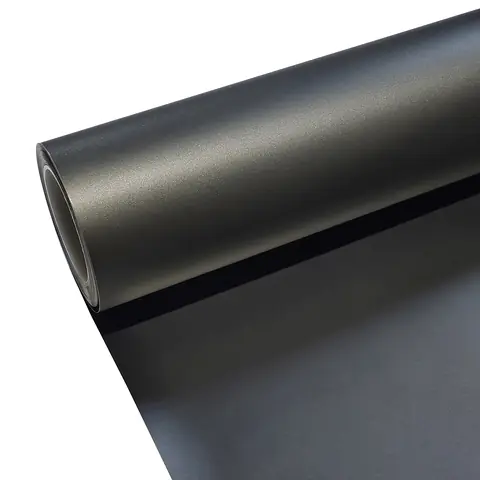
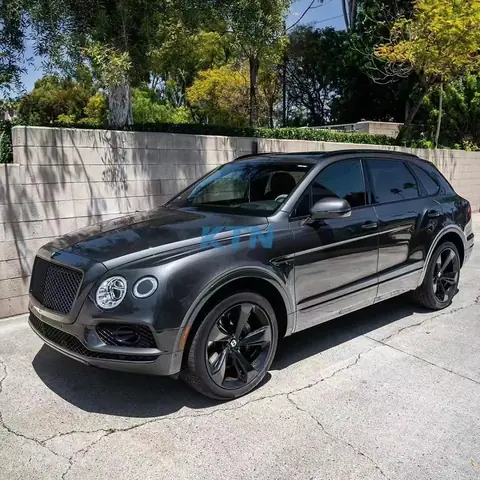
A matte or satin wrap gives a similar look for much less, and damaged panels can be replaced instead of repainted. See our guide to matte, satin and gloss black wraps and the PVC vinyl wrap range for available finishes.
Pearl, color shift and special effects
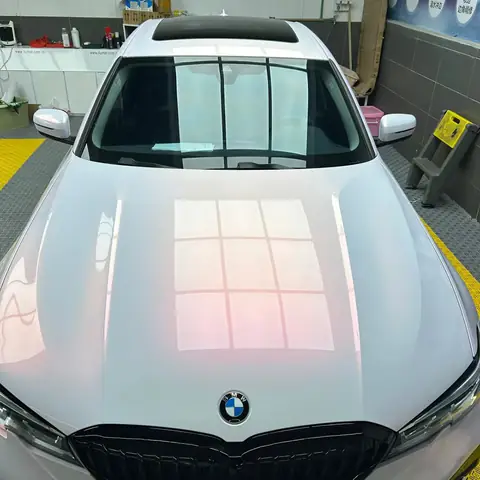
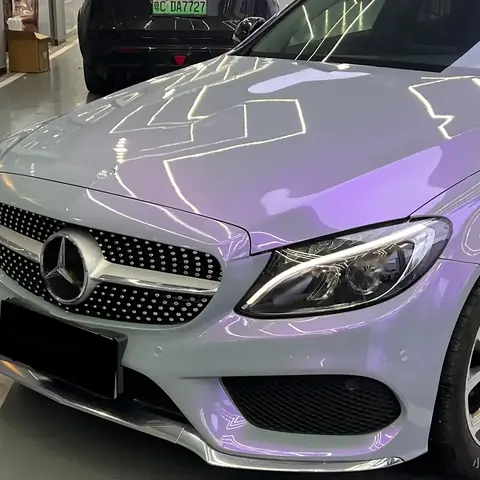
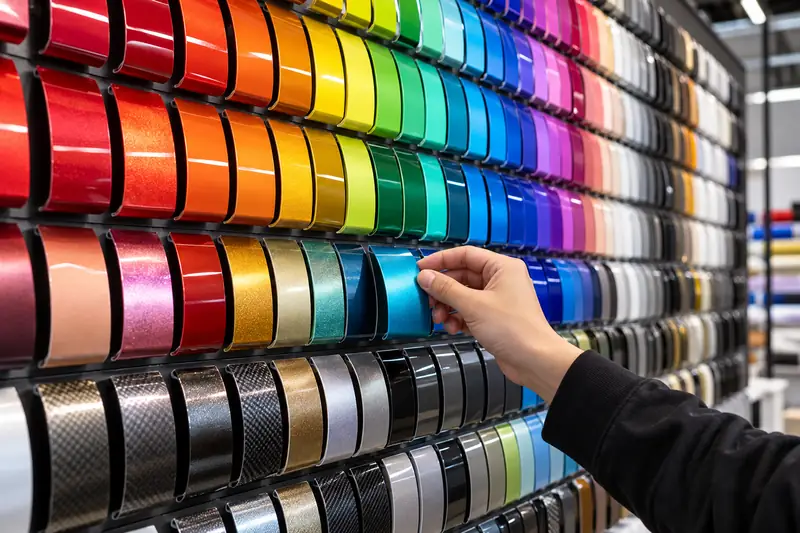
Custom effects such as a white paint job with blue pearl need multi-stage paint and skilled painters. Wraps offer pearl, color-shift and metallic films off the roll. A PET liner vinyl wrap gives the smoothest, most paint-like gloss among vinyl options, with very little orange peel.
Durability and maintenance
How long each lasts
Quality cast vinyl typically lasts about 5–7 years, less on sun-exposed horizontal panels. A well-applied paint job, maintained properly, often lasts much longer. Our guide on how long a car wrap lasts covers what affects wrap life.
Care differences
- Wraps need hand washing, pH-neutral cleaners and no abrasive polishing. Matte films should never be waxed.
- Gloss paint can be polished, waxed and machine-corrected.
- Matte paint is the hardest to care for — no polishing, special cleaners only.
Repairs
A scratched or damaged wrap panel can be replaced with fresh film, though very old wraps may show a slight color difference. Paint repairs can be blended invisibly by a skilled painter, but cost more per panel.
Car wrap vs paint: pros and cons
Vinyl wrap pros
- Lower cost for special finishes.
- Reversible and protects factory paint.
- Fast turnaround.
- Huge color and texture range.
- Printed graphics for business branding.
Vinyl wrap cons
- Shorter lifespan than quality paint.
- Cannot cover damaged or failing paint.
- Edges and seams may be visible on close inspection.
- Limited impact protection compared with PPF.
Paint pros
- Long life with proper care.
- Can be polished and corrected.
- Covers jambs, engine bay and hidden areas.
- Fixes damaged surfaces as part of the job.
Paint cons
- Higher cost for quality work.
- Permanent; a non-factory color can hurt resale.
- Longer downtime.
- Special finishes cost much more.
Camo and custom looks on trucks
Camo paint jobs on trucks are popular with hunters and off-road owners, but painting detailed camo patterns takes time and stencils. Printed camo wrap film delivers a sharp, consistent pattern in a fraction of the time and comes off when the truck is sold. See printed and effect vinyl for camo, carbon fiber and other patterns.
Wrap instead of paint for businesses
For fleet and commercial vehicles, a car wrap instead of paint is almost always the better option. Printed wraps carry full-color logos and photos, can be updated when branding changes, and are removed before the vehicle is sold or returned at the end of a lease.
Buying wrap film for your shop
Mars Decorative Film makes PVC, PET liner and effect vinyl in Shanghai, with new colors added roughly every three months. Standard rolls are 1.52 × 17–18 m, MOQ is one roll, and qualified buyers can request free samples or swatch books to show customers real finishes next to paint.
Frequently asked questions
Is it better to wrap or paint a car?
Wrap the car if the paint is in good condition and you want a reversible color change or special finish at lower cost. Paint it if the existing paint is damaged or you want a permanent finish that lasts well over a decade.
Is it cheaper to wrap or paint a car?
For similar quality, wrapping is usually cheaper, especially for matte, satin or color-shift finishes. A budget respray can cost less but typically has a lower finish standard.
Can you wrap a car with bad paint?
Not reliably. Peeling clear coat, rust and flaking paint can lift with the film during installation or removal. Repair the damaged areas before wrapping.
Does a wrap damage the paint?
A quality wrap on healthy factory paint usually does not damage it and removes cleanly within its rated life. Resprayed or damaged paint, and wraps left on far too long, carry more risk.
Is a matte wrap better than a matte paint job?
For most owners, yes. A matte wrap costs less, protects the paint underneath and can be replaced panel by panel. Matte paint is permanent and cannot be polished to fix scratches.
Does wrapping a car affect resale value?
A wrap keeps the original paint protected and can be removed before sale, which can help resale. A non-factory paint color is permanent and may narrow the pool of buyers.