Vinyl wraps · 7 min read
Matte, satin, gloss or pearl? How car wrap finishes look in real life
Car wrap matte, satin, gloss, pearl and color-shift finishes compared: how each looks, which colors suit it, how it ages and how to care for it.
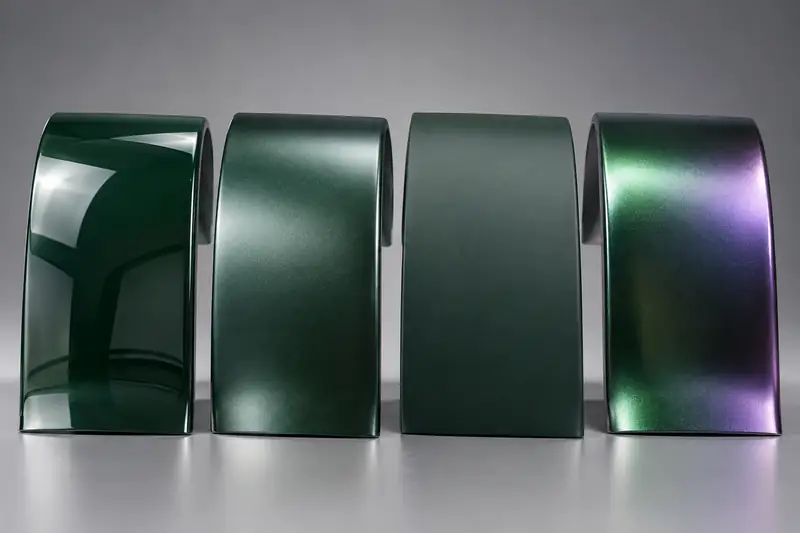
Short answer: A matte car wrap diffuses light so the body is defined by shadow; satin gives soft, wide highlights; gloss reads most like paint but shows scratches; pearl adds a subtle color shimmer; color shift changes hue with angle. Matte and satin hide minor waviness but need matte-safe care products.
The same color can look completely different in four finishes. A car wrap in matte, satin, gloss or pearl changes how the body lines read, how the car ages and how the owner has to wash it. This guide is for wrap shops helping customers choose, and for owners who want to know what each finish really looks like before they commit.
Key takeaways
- Matte diffuses light, so the car is defined by shadow rather than reflections. It hides minor waviness but marks if overheated and must never be waxed or polished.
- Satin sits between matte and gloss: soft, wide highlights and an easier care routine than matte.
- Gloss gives the deepest color and is the easiest to clean, but shows scratches, stretch marks and surface texture.
- Pearl and metallic films add flake or shimmer; pearl white is one of the most requested color-change finishes.
- Color-shift, metallic and pearl films need consistent roll direction on every panel, so plan extra film.
Types of wrap finishes compared
Wrap films copy the main paint textures found on cars and add a few that paint rarely offers. The table summarizes how they behave.
| Finish | Look | Hides imperfections | Care difficulty | Popular colors |
|---|---|---|---|---|
| Gloss | Mirror-like, deep color | Low | Easy | Black, white, red, blue |
| Satin | Soft sheen, wide highlights | Medium | Moderate | Black, grey, red, blue, metallics |
| Matte | Flat, no reflections | Medium to high | Higher | Green, grey, black, white, purple |
| Pearl | Shimmer that changes in light | Medium | Easy to moderate | White, silver, light blue |
| Metallic | Sparkle from flake | Medium | Easy to moderate | Blue, grey, silver |
| Glitter | Large, visible sparkle | Medium | Moderate | Purple, black, red |
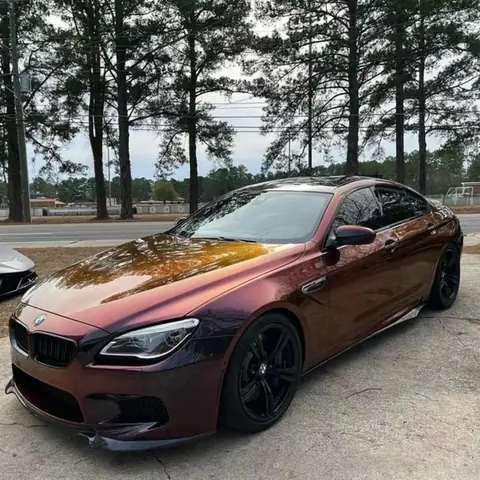
| Color shift | Hue changes with angle | Medium | Moderate | Purple-green, blue-purple |
| Chrome | True mirror | Very low | Higher | Silver, gold, colored chrome |
Matte car wrap: what it looks like
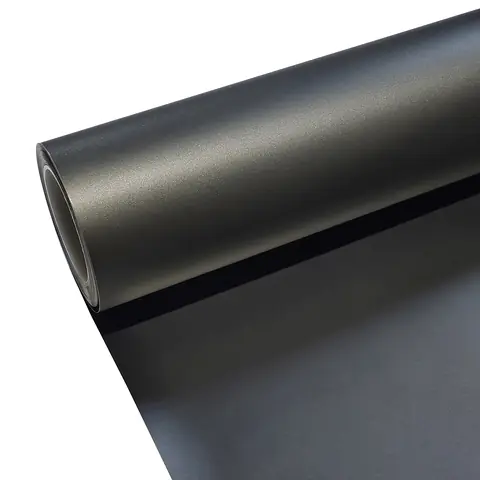
A matte vehicle wrap diffuses light. Instead of reflecting the sky, the panels show the car's shape through shadow and tone, which gives a stealthy, modern look. Body lines stand out; minor dents and waviness in the paint are harder to see than under gloss.
Matte vinyl texture
Matte vinyl has a fine surface texture that scatters light. Good matte films have an even, consistent texture across the roll, so panels do not look patchy side by side. Lower-grade films can show slight variations or "shine spots" where the film was overstretched or overheated. Ask for samples from the same batch you will receive and compare them in daylight.
Matte wrap vs matte automotive paint
Matte automotive paint is expensive to apply and very difficult to spot-repair; a scratched panel often needs a full respray. A matte wrap gives a similar look, protects the paint underneath and can be replaced panel by panel. The trade-off is that a wrap has a limited life, typically several years depending on film grade, climate and care. For lifespan factors, read how long a car wrap lasts.
Popular matte colors
- Matte green: military, olive and dark forest greens are the classic matte car look. A matte green vinyl wrap suits SUVs, off-roaders and sports cars equally well.
- Matte white: reads like ceramic or chalk. A matte white car wrap shows road dirt more than darker colors, so it suits owners who wash often.
- Matte blue: from steel blue to deep navy, a matte blue car wrap looks technical and calm. Lighter blues show the matte texture most clearly.
- Matte red: a matte red car wrap softens a loud color into something more muted. Deep reds look richer in satin; bright reds look striking in matte.
- Matte purple: a popular statement color, especially on compact sports cars.
- Matte grey and black: the most requested matte shades. Our guide to matte vs satin vs gloss black wrap covers black in detail.
Matte care
Never wax or polish a matte wrap: both add gloss in patches. Use matte-specific shampoo, rinse bird droppings and fuel spills promptly, and avoid automatic brush washes. Installers should avoid overheating matte film during post-heating, because excess heat can leave a shiny mark. Follow the film's data sheet for temperatures.
Satin wrap
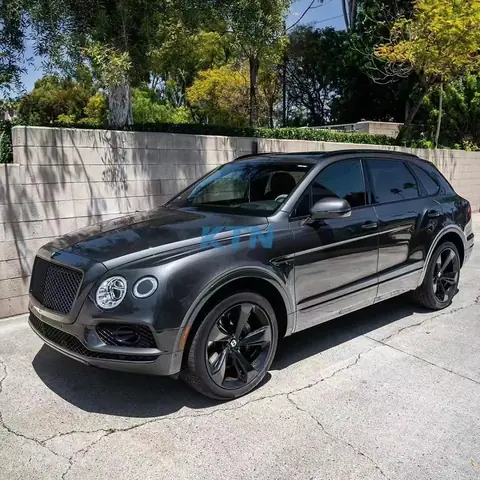
Satin sits between gloss and matte. Highlights are soft and wide rather than sharp, and the color looks rich without mirror-like reflections.
- Best for: blacks, greys and metallics on performance cars; hides minor body waviness.
- Watch out for: patchy sheen if panels are laid in different roll directions.
Satin car wrap colors
Satin black and satin grey are the bestsellers, but color is where satin shines. Satin red looks deep and expensive, especially on cars with strong curves. A satin blue wrap, from bright racing blue to dark midnight, keeps the color saturated while softening reflections. Satin metallics combine flake sparkle with a muted sheen and are a common choice for an OEM-plus look.
Satin vinyl wrap is also easier to live with than matte: it tolerates a wider range of care products, though most installers still recommend wrap-safe shampoo and no abrasive polishes.
Gloss
Gloss films reflect light like paint. Colors look deep and saturated, and the film is easiest to clean.
- Best for: OEM-look color changes, bright colors, show cars.
- Watch out for: visible stretch marks, finger marks and scratches; surface texture (orange peel) on lower-grade films. PET liner films reduce this.
Pearl car wrap
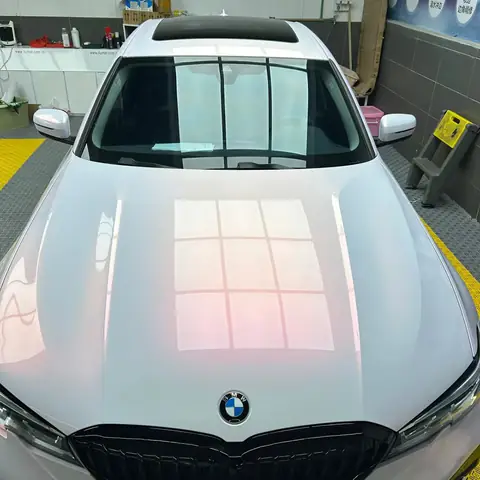
Pearl paints use interference pigments that add a soft shimmer, often with a hint of a second color at certain angles. Pearl wraps copy this effect.
Pearl white car wrap
A pearl white wrap is one of the most requested color changes. In shade it looks like a clean white; in sun it shows a silky glow, sometimes with a warm or cool undertone. Pearl white vinyl wrap usually comes in gloss, with some satin versions. Because the pearl effect can look slightly different depending on roll direction, every panel should go on in the same orientation.
Pearl automotive paint is costly and hard to match in repairs, so a pearl wrap is a practical way to get the look on a car with a solid factory color.
Metallic, glitter and liquid metal
Metallic films add flake for sparkle. A metallic blue vinyl wrap is a long-standing favorite because the flake brings out the curves of the body without the high maintenance of chrome. Glitter car wraps use larger, more visible flake for a show-car sparkle, and they are popular in purples, reds and blacks. Liquid metal films use fine, aligned flake for a polished-metal sheen.
Chrome is a true mirror and the least forgiving finish to install. It needs careful, even heat and minimal stretching, and chrome rules for road vehicles vary by market.
Color shift (chameleon)
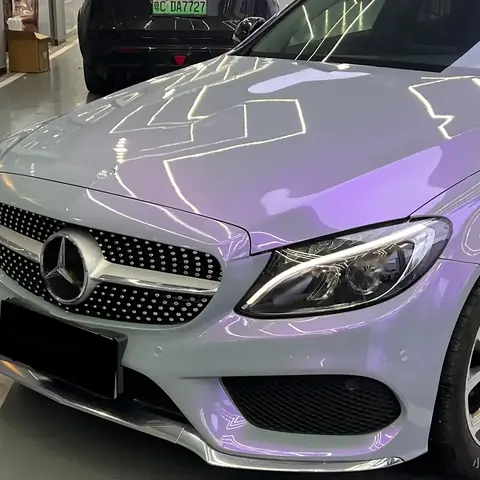
Interference pigments change the visible color with viewing angle and light direction: purple to green, white to gold and so on.
- Best for: statement builds and show cars.
- Watch out for: every panel must keep the same orientation on the roll, and full-body jobs should come from one batch.
Which finish to recommend
Ask how the customer uses the car, how often it is washed by hand, and whether they want the color to read as paint or as an obvious wrap.
| Customer priority | Suggested finish |
|---|---|
| Looks like factory paint | Gloss or pearl, ideally on a PET liner film |
| Low-key, modern look | Satin or matte in grey, black or green |
| Easy weekly washing | Gloss or satin |
| Hides minor body imperfections | Satin or matte |
| Maximum attention | Color shift, glitter or chrome |
| Protection as well as color | Matte or satin color PPF |
For customers who want the matte look plus stone-chip protection, a matte or satin PPF is the better product. Browse films by finish in our catalog: matte, satin, gloss and metallic.
Buying finishes for your shop
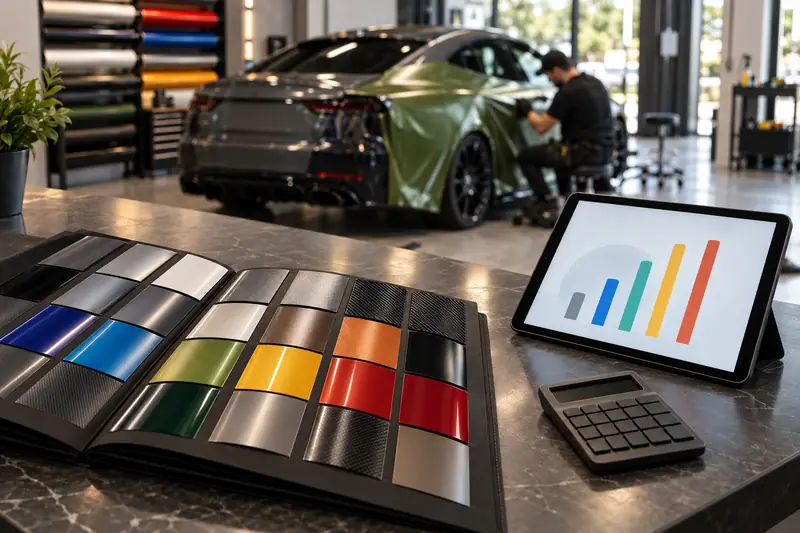
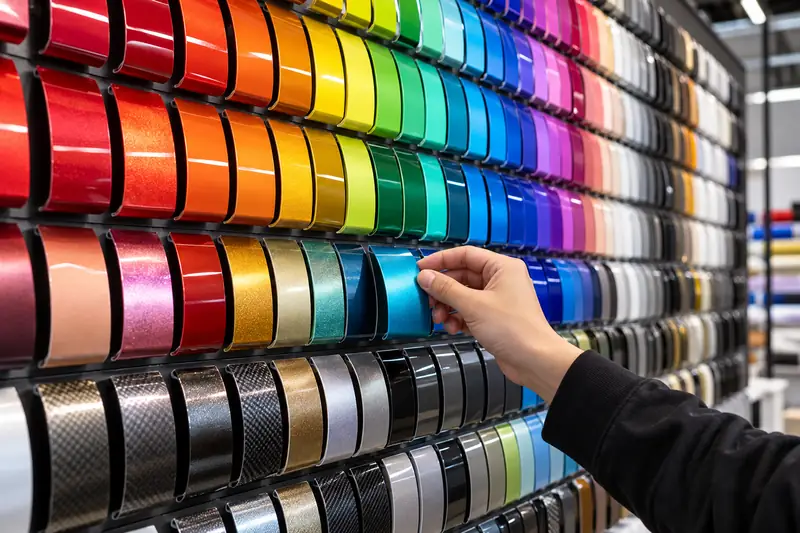
Show customers samples in sunlight, not just under shop lights, and keep swatches of each finish in the same color so they can compare directly. Mars Decorative Film releases new colors roughly every three months across gloss, satin, matte and effect finishes, and trade buyers can request free A4 samples before stocking a range.
Frequently asked questions
Is a matte car wrap hard to maintain?
It needs more care than gloss, but it is manageable. Hand wash with matte-specific shampoo, never wax or polish, and clean off bird droppings and fuel quickly. Avoid automatic brush washes.
Which wrap finish hides scratches best?
Satin and matte hide fine scratches better than gloss. For self-healing scratch resistance, choose TPU color PPF instead of vinyl.
Can you polish matte wrap?
No. Polishing or waxing adds gloss in patches. Use matte-safe products only.
Is a matte wrap cheaper than matte paint?
In most markets, yes. Quality matte paint is expensive and hard to repair, while a matte wrap protects the original paint and can be replaced panel by panel. Prices vary by region, vehicle and shop.
Does pearl white wrap look like real pearl paint?
Good pearl white films come close, especially in gloss. The shimmer is usually a little less deep than multi-layer pearl paint, but most people cannot tell at normal viewing distance.
What is the difference between satin and matte wrap?
Satin has a soft sheen with wide highlights; matte has almost no reflection. Satin is easier to keep looking even, while matte gives the flattest, most stealthy look.
Do color-shift wraps cost more?
Usually yes, because of the pigments and the extra waste from keeping panel orientation consistent. For more on these films, see our color-shift chameleon wrap guide.