Window tint · 6 min read
Window tint rolls wholesale: how to choose the best car tint film
Buying window tint rolls wholesale? Compare film types, roll sizes, VLT shades and quality checks so your shop stocks the best auto tint for its market.
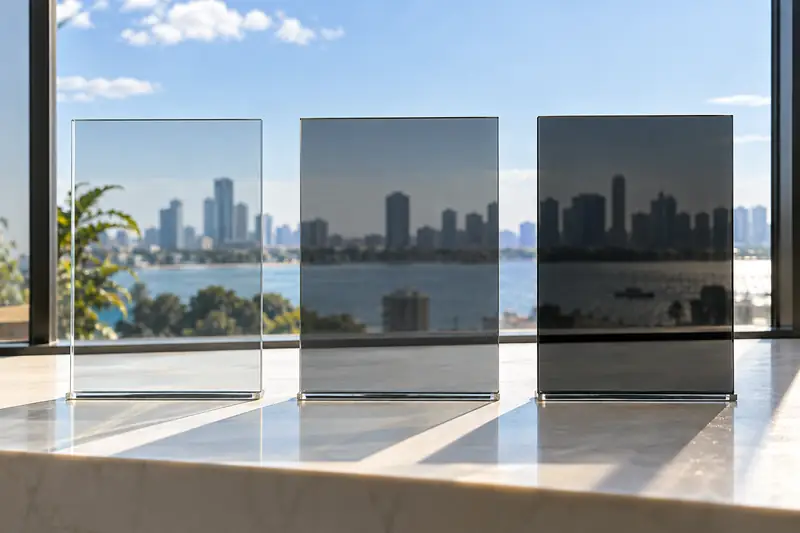
Short answer: When buying window tint rolls wholesale, pick the film type first (dyed, carbon or ceramic), then the shades your local laws and customers need, then roll width and length. The best car window tint is the one with stable color, clear optics, honest heat and UV data, and consistent batches, not simply the darkest or most expensive film.
Window tint rolls are the core stock of any tint shop, and the film you choose decides how many comebacks you get. This guide is for installers, distributors and importers buying tint rolls in volume. It covers what makes the best automotive window tint, how to choose shades and roll sizes, how to judge a supplier, and where to buy window tint rolls without overpaying for a label.
Key takeaways
- The best auto tint film for most shops is a range, not a single product: an entry dyed or carbon line plus a ceramic line for heat-focused customers.
- For heat reduction, ceramic film typically rejects the most infrared at any given shade; compare total solar energy rejected (TSER) on the data sheet, not darkness.
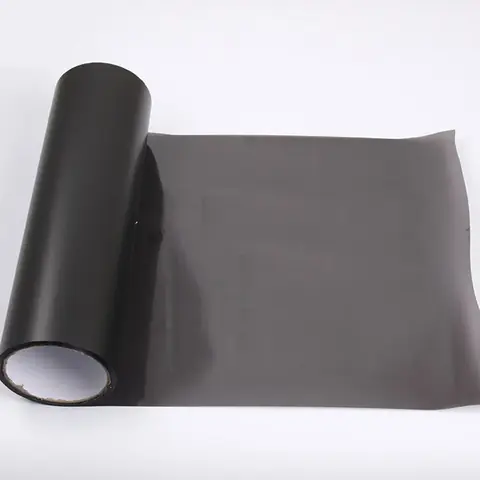
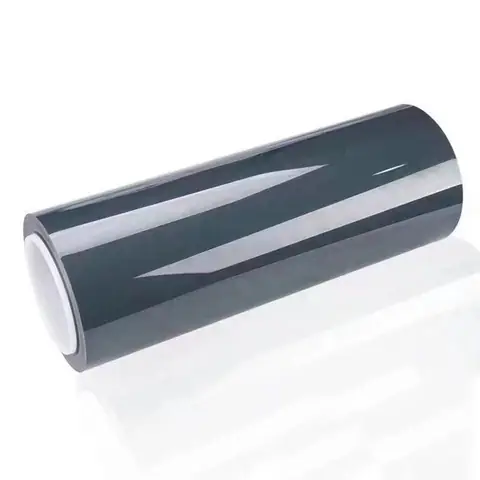
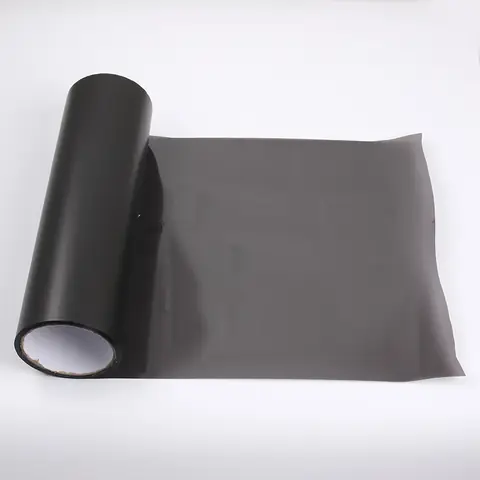
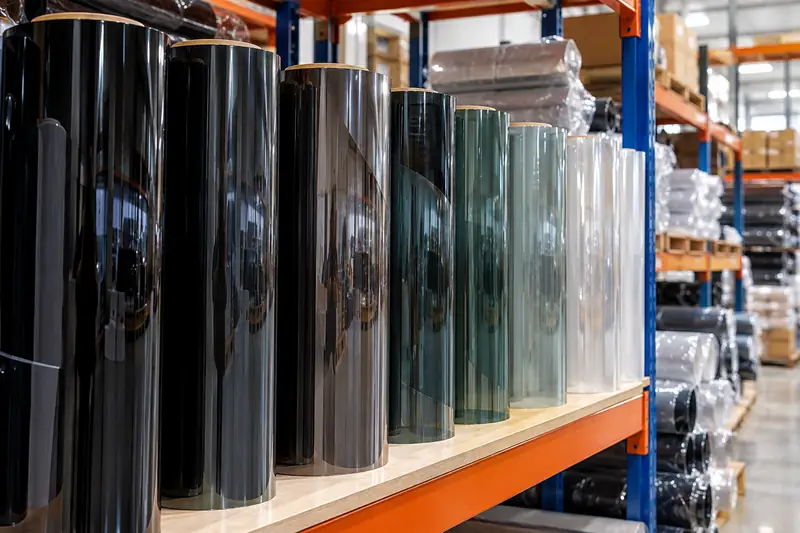
- Tint rolls are commonly sold in widths such as 20, 40 and 60 in (about 0.5, 1.0 and 1.52 m) and lengths of roughly 30 m (100 ft); confirm sizes with each supplier.
- Check every batch for color consistency, optical clarity, adhesive quality and liner release before cutting into a full roll.
- Legal VLT limits vary by country and state, so stock shades that match your local market.
What is the best automotive window tint?
There is no single best car tint brand or film for every job. "Best" depends on what the customer wants and what the law allows. A sensible way to rank films:
| Priority | Best film type | Why |
|---|---|---|
| Lowest price | Dyed | Cheapest per roll, easy to install, adequate privacy |
| Deep black look, no signal issues | Carbon | Matte black, color-stable, better heat control than dyed |
| Best car window tint for heat reduction | Ceramic | Highest infrared rejection, clear view, non-conductive |
| Light shades with strong heat control | Ceramic (light VLT) | Heat rejection without much darkness |
| Windshield (where legal) | Light or near-clear ceramic | Keeps visibility while reducing heat |
For a deeper look at the material differences, see our comparison of ceramic vs carbon vs dyed tint.
Best tint for windshield use
The best tint for windshield applications is usually a light, high-clarity ceramic film, because visibility comes first. Many regions allow only a top strip or a very light film on the windshield, and some do not allow any. Rules vary by country and state, so check local regulations and the film's VLT before offering windshield work.
How to judge top-rated car window tint
Many shops shop by reputation of "top car tint brands", but the quality of a tint film comes down to measurable things you can check yourself.
Color stability
Cheap dyed films can turn purple or fade over time as dye breaks down under UV. Carbon and ceramic films are far more color-stable. Ask suppliers whether the color comes from dye, carbon or ceramic, and keep a sample in a sunny window for a few months to compare.
Optical clarity and haze
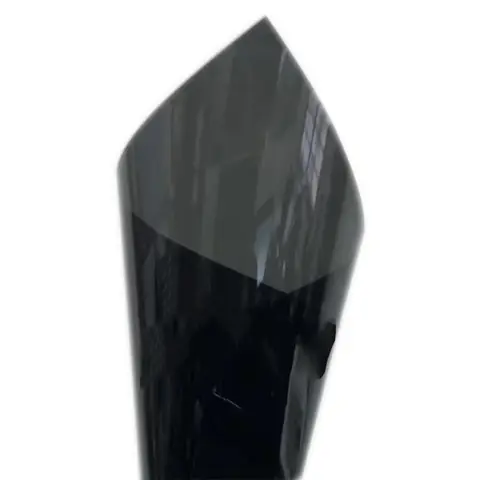
Look through the film at a straight line or a light at night. Good film shows no waviness, haze or rainbowing. Ceramic films should stay clear even at light shades.
Heat and UV data
A reliable data sheet lists VLT, UV rejection, infrared rejection and TSER. Most quality automotive films block the large majority of UV, typically around 99%. Be wary of headline "heat rejection" numbers that only measure infrared at one wavelength; TSER is a better basis for comparing films.
Adhesive and liner
The adhesive should allow some slide during wet application, then cure clear without a milky look. The liner should release evenly without static marks. Test on a door glass and a curved rear window, because shrinking behavior on curved glass separates good film from difficult film.
Hard coat
The scratch-resistant coating faces the cabin and takes all the wear from window seals and rings. A weak hard coat shows scratches on roll-down windows within months.
Tint roll sizes and grades
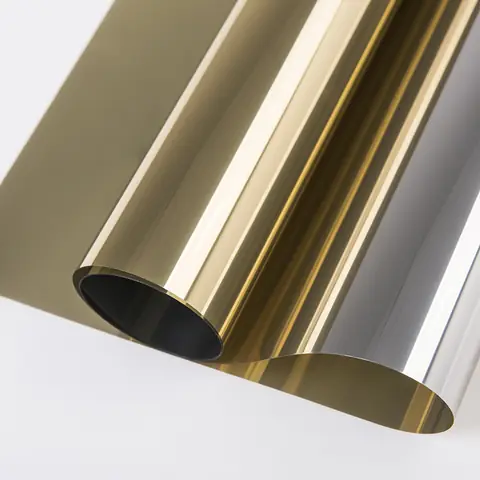
Car window tint rolls are cut from wide jumbo rolls into widths that suit the work:
| Roll width | Typical use |
|---|---|
| About 20 in (0.5 m) | Side windows on small cars, low-waste cutting |
| About 30–40 in (0.75–1.0 m) | Most side and rear windows; a common all-round width |
| About 60 in (1.52 m) | Large rear glass, SUVs, vans, flat glass and plotter cutting |
Lengths are commonly around 30 m (100 ft), with shorter rolls available from some suppliers for sampling or DIY. Ask whether the roll is wound film-side in or out, which matters for some plotters and cutting tables.
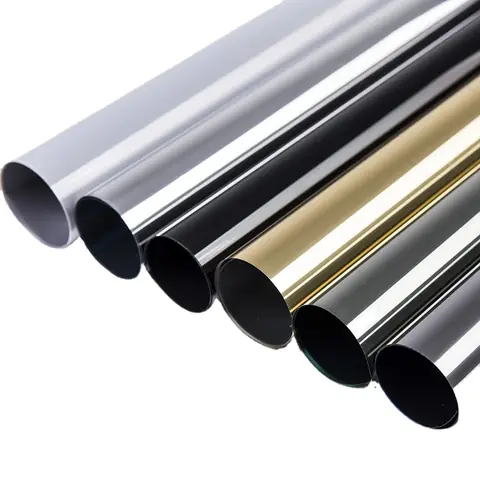
Most distributors stock each film type in four or five shades, typically around 5%, 15–20%, 35%, 50% and 70%. A light ceramic shade sells well in markets with strict front-window limits. Our window tint VLT guide explains how shades are measured and what to tell customers.
Where can I buy window tint rolls?
Where to buy window tint rolls depends on how much you use:
- Local distributor: best for shops that use a few rolls a month and want next-day delivery. Prices include the distributor's margin and logistics.
- Online sellers: convenient for single rolls or DIY lengths, but grade and origin can be hard to verify.
- Direct from a manufacturer: best for distributors, importers and high-volume shops. Prices are lower per roll, and you can order mixed shades, custom widths or private label packaging.
When buying direct, ask for:
- Samples of each shade before the first order.
- A data sheet per film with VLT, UV and TSER.
- Batch numbers on every roll, so you can trace any problem.
- Minimum order quantity, lead time and how rolls are packed for sea or air freight.
Our guide to importing car wrap film from China covers shipping, documents and landed-cost planning that also apply to tint film.
Building a tint range that sells
A practical starting range for a new tint distributor or a busy shop:
- Entry line: dyed or hybrid film in four shades for price-driven jobs and dealer work.
- Mid line: carbon film in four or five shades as the default upsell.
- Premium line: ceramic in four or five shades, including at least one light shade for windshields and front windows where legal.
- Specialty: a small amount of light tint for headlights and tail lights if your market allows it. Check local rules on lighting film first.
Keep the shade names and VLT values consistent across lines so installers and customers can compare easily.
Buying tint rolls from a factory
Mars Decorative Film makes window and light tint film at its Shanghai factory and ships to distributors and installers in 24 markets. MOQ is one roll with mixed shades welcome, in-stock film ships in about three business days, and every roll is batch-numbered. See the window tint film product line, or request free samples to test clarity and shrinking on your own glass. Private label packaging is available through our OEM program.
Frequently asked questions
Where can I buy window tint rolls?
Shops usually buy tint rolls from a local distributor, while distributors and high-volume installers buy direct from a manufacturer. Buying direct lowers cost per roll and allows mixed shades and private label packaging.
What is the best car window tint for heat reduction?
Ceramic film typically rejects the most heat at any given shade because it blocks infrared light while staying clear. Compare the total solar energy rejected figure on each data sheet rather than choosing by darkness.
What size are window tint rolls?
Common widths are about 20, 40 and 60 in (roughly 0.5, 1.0 and 1.52 m), and lengths are typically around 30 m (100 ft). Sizes vary by supplier, so confirm before ordering.
Is darker tint better?
Not necessarily. Darker tint gives more privacy and glare control, but heat rejection depends mostly on film type. A light ceramic film can reject more heat than a dark dyed film, and dark shades may not be legal on front windows.
How do I tell if tint film is good quality?
Check for clear optics without haze, a hard coat that resists scratching, adhesive that cures clear, and a full data sheet with VLT, UV and TSER. Batch numbering and consistent color from roll to roll are signs of a well-run factory.
What is the best tint for cars on a budget?
Carbon film is usually the best value: it costs more than dyed film but resists fading, does not interfere with signals and rejects more heat. Dyed film is cheaper but tends to fade over the years.