Window tint · 8 min read
Automotive tinted windows: types, shades, cost and how tint works
Automotive tinted windows explained: dyed, carbon and ceramic film, tint shades, heat and UV control, windshield rules and typical car window film cost.
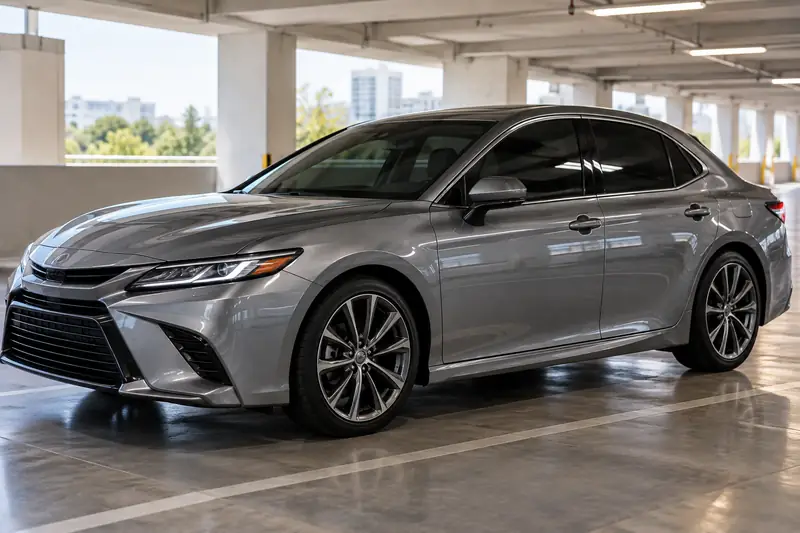
Short answer: Automotive tinted windows use a thin polyester film applied to the inside of the glass to cut glare, block most UV and reduce heat. The main types are dyed, metalized, carbon and ceramic film, and darkness is measured as VLT. Legal shades vary by country and state, so check local rules before choosing.
Automotive tinted windows are one of the most requested upgrades in any car accessory market, and for good reason: the right film makes a cabin cooler, protects skin and interiors from UV, and gives the car a cleaner look. This guide covers how window tint film works, the main kinds of car tint, how to choose a shade, what it typically costs and where to buy film. It is written for car owners comparing options and for installers and shops deciding what to stock.
Key takeaways
- Car window film is a thin, multi-layer polyester (PET) film with an adhesive, applied wet to the inside of the glass.
- The four common types of car tint are dyed, metalized, carbon and ceramic; they differ mainly in heat rejection, color stability and price.
- Darkness is measured as VLT (visible light transmission): a lower number means a darker film. "Limo tint" usually means around 5% VLT.
- Most quality automotive window films are specified to block the large majority of UV, typically around 99%; check each film's data sheet.
- Legal tint shades, windshield rules and reflective or colored films vary by country and state, so always check local regulations.
- Professional car window film cost typically runs from roughly $150 to $800+ for a full car, depending on film type, vehicle and region.
What is automotive window tint film?
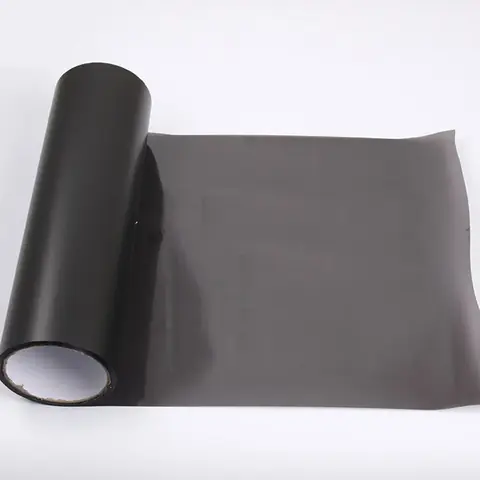
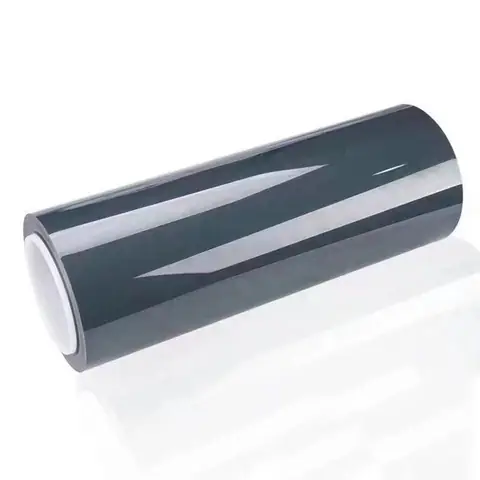
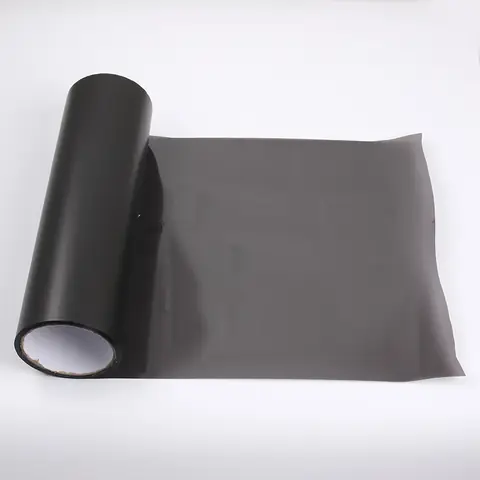
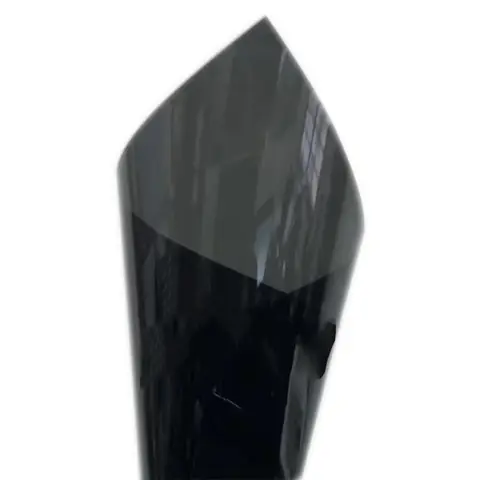
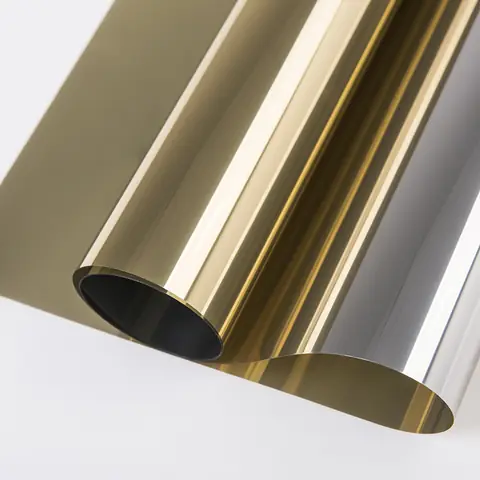
Automotive window tint is a laminated film made from one or more layers of optically clear PET. Color or heat-control properties come from dyes, metal layers, carbon particles or ceramic particles built into the layers. A scratch-resistant hard coat protects the side that faces the cabin, and a mounting adhesive bonds the other side to the glass.
Is car tint on the inside or outside?
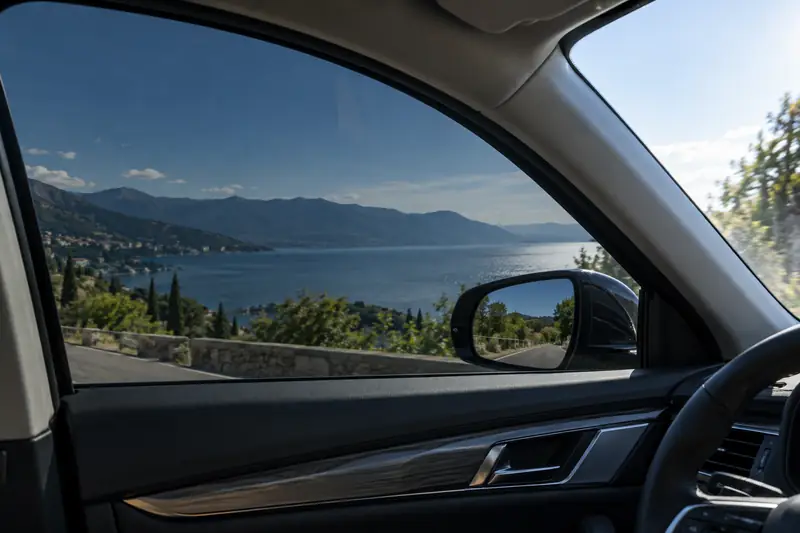
Car window tinting goes on the inside of the glass. The installer cuts and heat-shrinks the film to the curve of the window on the outside of the glass (a dry "template" step), then cleans the inside and applies the film wet with a slip solution. Fitting it on the inside protects the film from car washes, wipers and road grit, which is why automotive window film is designed with an interior-facing hard coat.
Factory tinted glass vs tinted film on car windows
Many vehicles leave the factory with "privacy glass" or solar tinted glass on the rear windows. This is glass with pigment in the glass itself. It darkens the window but often does little for heat or UV beyond what standard glass already does. Tinted film can be applied over factory privacy glass to add heat rejection, but the combined VLT will be darker than either alone, which matters for legal limits.
Types of car tint compared
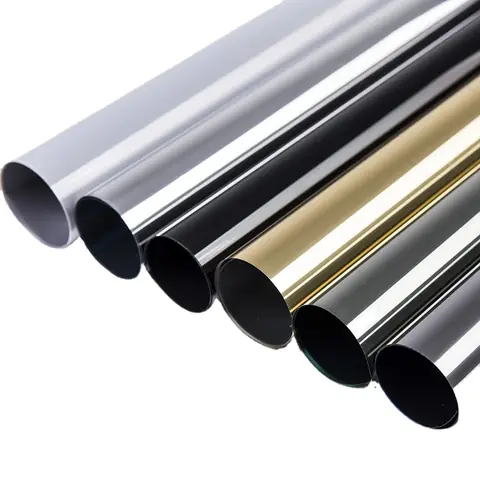
The kinds of car tint you will see on a supplier price list fall into four families.
| Film type | How it works | Heat rejection | Look and durability | Relative cost |
|---|---|---|---|---|
| Dyed | Dye absorbs light | Low to moderate | Flat dark look; cheaper grades can fade or turn purple over years | Lowest |
| Metalized | Thin metal layer reflects heat | Moderate to good | Slightly shiny; can interfere with radio, GPS or phone signals | Low to middle |
| Carbon | Carbon particles absorb infrared | Good | Matte, true-black look; color-stable, no signal interference | Middle |
| Ceramic | Non-conductive ceramic particles block infrared | Best | Clear view, even in light shades; no signal interference | Highest |
Dyed film window tinting
Dyed film is the entry level of automotive tint. It is easy to install and inexpensive, which makes it popular for budget packages and for car dealers. The trade-off is lower heat rejection and, on cheaper grades, color shift and fading over time.
Is carbon tint good?
Carbon tint is a solid middle choice. Carbon window tint uses carbon particles that absorb infrared heat, so it cools better than dyed film without the shiny look or signal problems of metalized film. It also holds its color well. For many shops, carbon is the best-selling "upgrade" line between dyed and ceramic.
Ceramic tint
Ceramic films use non-conductive particles that block a large share of infrared heat while staying optically clear. They cost more, but they deliver the strongest heat control even in lighter shades, which is useful where laws limit how dark you can go. A deeper comparison is in our guide to ceramic vs carbon vs dyed tint.
Tint shades and VLT: how dark should you go?
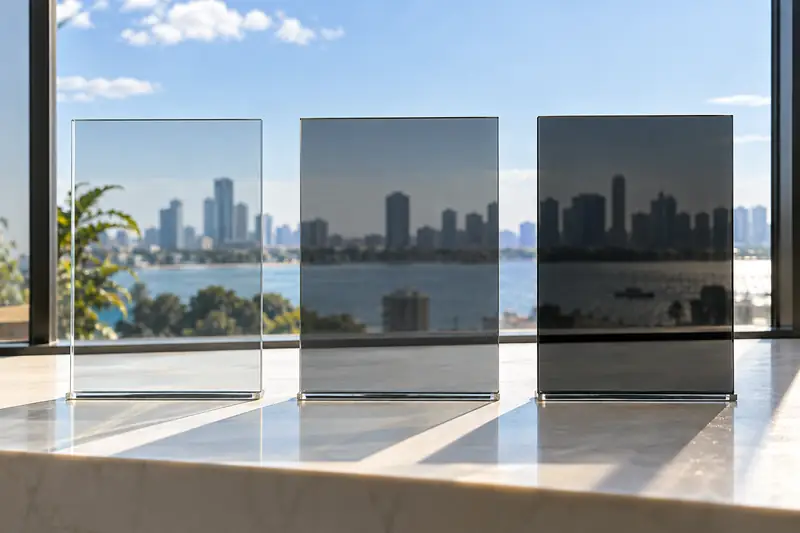
Car tint shades are sold by VLT percentage. Common shades in most markets are roughly 5%, 15–20%, 30–35%, 50% and 70% or lighter.
- 5% (limo window tint): very dark, maximum privacy, hard to see out of at night. Often restricted to rear windows or not allowed at all on front side windows.
- 15–20%: dark and private; a popular rear-window choice.
- 30–35%: a balanced look that many drivers pick for all side windows where legal.
- 50–70%+: light tints that reduce heat and UV without much visual change; ceramic films perform well here.
Blue car tint and other colored films exist, mostly as dyed or specialty films. Many regions restrict colored or mirrored tint, so treat these as niche products. For a full explanation of how VLT is measured, see our window tint VLT guide.
Can I tint my windshield?
It depends on where you live. Many regions allow only a narrow strip along the top of the windshield, sometimes called a visor strip, and ban darker film on the rest. Some allow a very light, near-clear heat-rejecting film. Rules vary widely by country and state, so check the current local regulation before installing anything on a windshield. If the goal is protection from rock chips rather than heat, that is a different product: see our guide to windshield protection film.
Does window tinting keep a car cooler?
Yes. Tinted car windows reduce heat in the car by blocking part of the solar energy that passes through the glass. Dark films absorb visible light, while carbon and ceramic films also target infrared, the part of sunlight you feel as heat. The result is a cabin that warms more slowly in the sun and an air conditioner that works less hard.
How much cooler depends on the film type, shade, glass and climate. A light ceramic film can outperform a dark dyed film on heat, so do not judge heat rejection by darkness alone. Compare the total solar energy rejected (TSER) on each film's data sheet.
Do tinted car windows block UV rays?
Quality automotive window films block most UV, and data sheets commonly list figures around 99%. That protects skin on long drives and slows the fading and cracking of dashboards, seats and trim. Even very light films can offer strong UV blocking, because UV protection comes from absorbers in the film rather than from darkness.
Car window film cost
Prices vary by region, vehicle and shop, but typical professional ranges look like this:
| Job | Dyed | Carbon | Ceramic |
|---|---|---|---|
| Two front side windows | $60–150 | $90–200 | $150–350 |
| Full sedan (sides and rear) | $150–350 | $250–500 | $400–800+ |
| SUV or truck window tint | $180–400 | $300–550 | $450–900+ |
| Windshield (where legal) | Usually not offered | $100–250 | $200–500 |
Truck window tint can cost more on large crew cabs or less on two-door cabs. Old film removal, adhesive cleanup and curved rear glass add labor. For shops, film is usually a small share of the job price; labor, cleanliness and warranty handling are the real cost.
Where to buy car window tint
Where to get car windows tinted is a local question: look for an auto tint company with a clean, enclosed bay, sample shades on glass and a clear warranty policy. Ask which film type and VLT they will install and whether the price includes removing old film.
Where to buy car tint film depends on volume:
- DIY buyers can buy small precut kits or short rolls online, but expect a steep learning curve on curved rear glass.
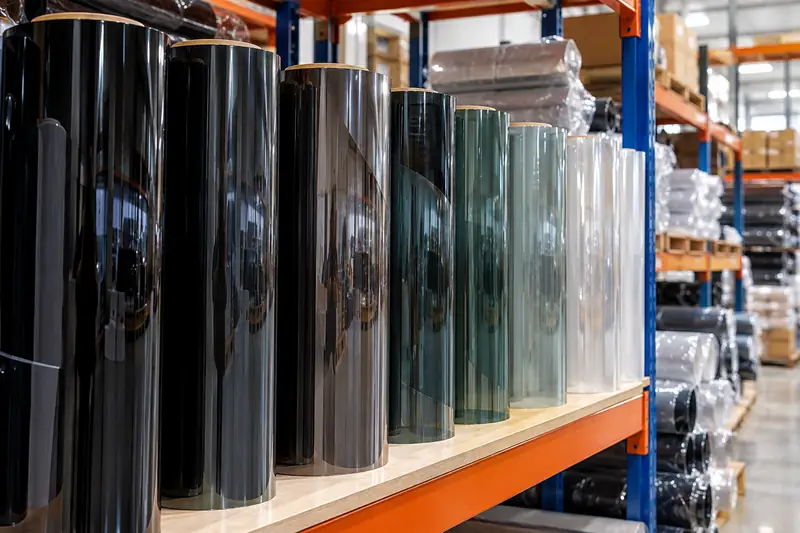
- Installers and new window tinting business owners usually buy full rolls from a distributor to get consistent shades and better pricing.
- Distributors and importers buy direct from a film manufacturer, often in mixed shades by the roll or pallet.
If you are buying in volume, our guide to window tint rolls wholesale covers roll sizes, grades and what to check before ordering.
Buying tint film for your shop
Mars Decorative Film makes window and light tint film in Shanghai, with each roll batch-numbered and inspected before release. MOQ is one roll and mixed shades are welcome. Browse the window tint film line or request free samples to compare shades and clarity on your own glass.
Frequently asked questions
Does car window tinting go on the inside or outside?
It goes on the inside of the glass. Installers shape the film on the outside first, then apply it wet to the cleaned inside surface, where it is protected from wipers, washes and weather.
Is carbon tint good?
Yes, carbon tint is a good middle option. It rejects more heat than dyed film, keeps a deep non-reflective black, does not fade like cheap dyed film and does not interfere with phone or GPS signals.
Do tinted windows reduce heat in a car?
They do. Film blocks part of the solar energy coming through the glass, so the cabin heats more slowly. Carbon and ceramic films reduce heat more than dyed film because they target infrared light.
Does car window tinting block UV rays?
Quality automotive window films block most UV light, with data sheets commonly listing around 99%. This protects passengers and helps prevent interior fading, even with light shades.
Can I tint my windshield?
Possibly, but rules vary by country and state. Many places allow only a strip along the top of the windshield, and some allow a very light heat-rejecting film. Check your local regulation before installing.
What is solar tinted glass on cars?
Solar tinted or privacy glass is factory glass with pigment inside the glass itself. It darkens the window but usually adds less heat rejection than a carbon or ceramic film, which can be applied on top if the combined shade is legal.
Where can I buy car tint?
Car owners usually have tint installed by a local shop. Installers buy rolls from distributors, while distributors and importers buy direct from a manufacturer, often with a one-roll minimum and mixed shades.