Vinyl wraps · 8 min read
Chrome wrap guide: finishes, cost, install tips and legal checks
Chrome wrap explained for shops and owners: chrome vinyl finishes from black to rose gold, why it costs more, how to install it and local rules to check.
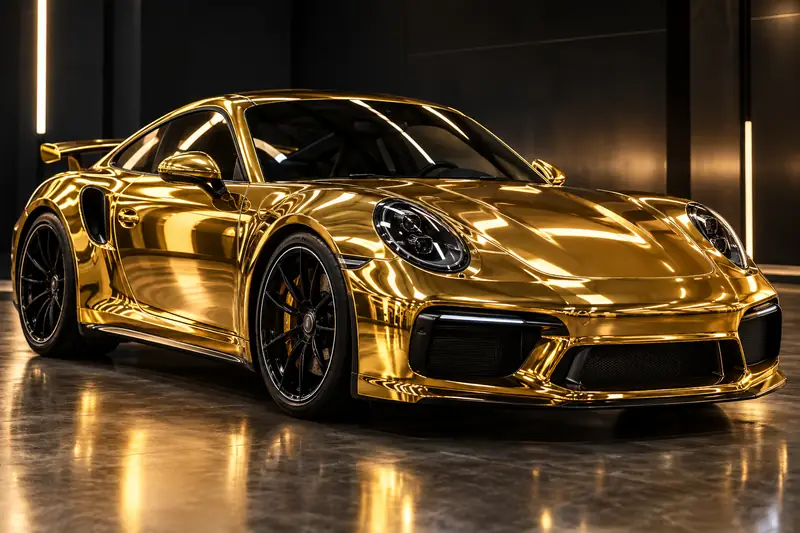
Short answer: A chrome wrap is a vinyl film with a mirror-like metallic layer that gives a car a reflective finish in silver, gold, black, red, blue or holographic tones. It costs more than standard color wraps because the film is pricier and harder to install, and some places restrict mirror finishes, so check local rules.
A chrome wrap turns heads like nothing else, and it also tests installers like nothing else. Chrome vinyl wrap film is less forgiving than standard color film, more expensive per meter and more sensitive to heat, so both shops and owners need to understand what they are taking on. This guide covers the main chrome finishes, how they differ from holographic and iridescent films, why chrome wraps cost more, how to install them well, and the related job most shops do far more often: chrome delete.
Key takeaways
- Chrome vinyl has a reflective metallic layer that gives a mirror look; it is stiffer and less stretchy than most standard color films.
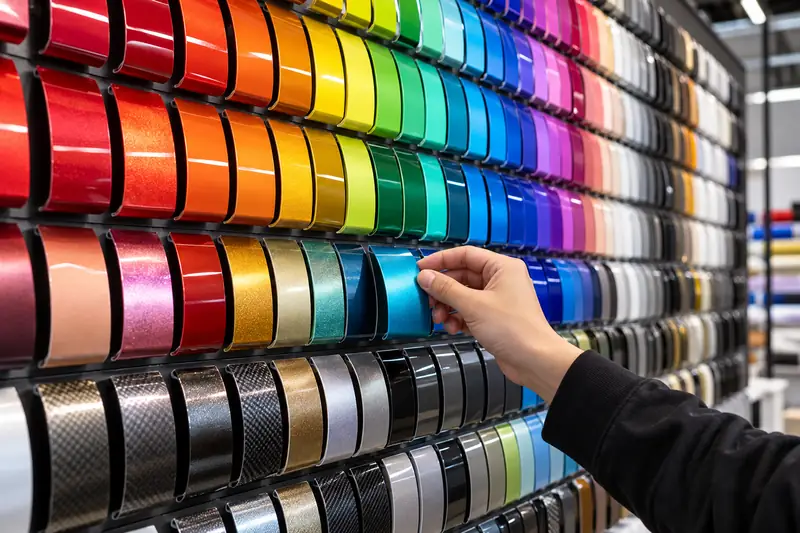
- Common chrome finishes include silver, black chrome, gold, rose gold, red, blue and satin chrome, plus holographic and iridescent variants.
- Full chrome wraps typically cost noticeably more than standard gloss or satin wraps because of film price, extra waste and longer install time.
- Chrome films scratch and haze more easily, so low heat, clean gloves and soft squeegee edges are essential.
- Mirror-like vehicle finishes are restricted in some countries and regions; check local rules before quoting a full chrome car.
- Chrome delete, covering bright trim with black or colored vinyl, is a far more common and simpler job than a full chrome wrap.
What is a chrome wrap?
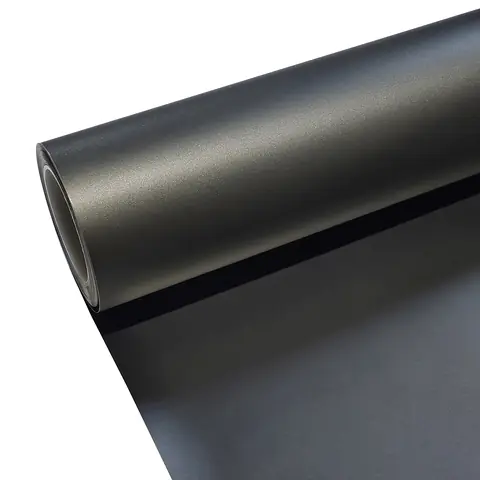
A chrome vinyl is a wrap film with a metallized reflective layer under a clear face, backed by a pressure-sensitive adhesive. The result is a mirror-like surface that reflects its surroundings. A fully chrome wrapped car looks almost like polished metal from a distance.
The metallized layer is what makes chrome film different to work with. It does not stretch as freely as pigmented PVC, it shows every scratch and fingerprint, and if it is overstretched or overheated it can lose its mirror effect, turning hazy or patchy. Chrome is also directional: panels laid in different directions can reflect light slightly differently, so experienced installers keep the film orientation consistent across the car.
Mirror vinyl for signs and decals uses the same idea in thinner, flatter films designed for lettering rather than full vehicles.
Chrome vinyl finishes and colors
| Finish | Look | Notes for installers |
|---|---|---|
| Silver chrome | Classic mirror, most reflective | Shows every surface flaw; prep must be perfect |
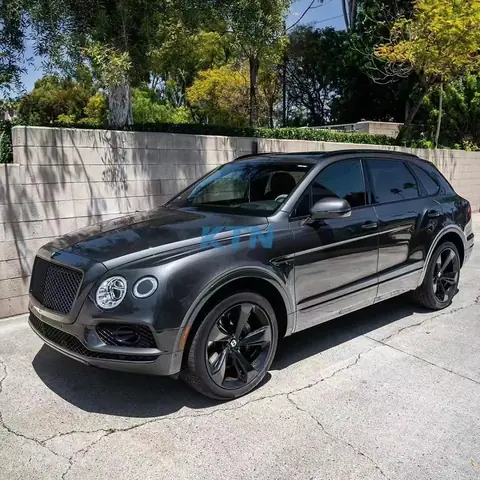
| Black chrome / dark chrome | Smoky, reflective dark mirror | Popular for full cars and accents; hides less than you expect |
| Gold chrome | Bright metallic gold | Strong statement; often used for accents and show cars |
| Rose gold | Pinkish gold mirror | A common chrome request in many markets |
| Red chrome / blue chrome | Tinted mirror colors | Color can look different in shade vs sun; check samples outdoors |
| Satin chrome | Metallic sheen with softer reflection | Easier to live with; hides fingerprints better than mirror chrome |
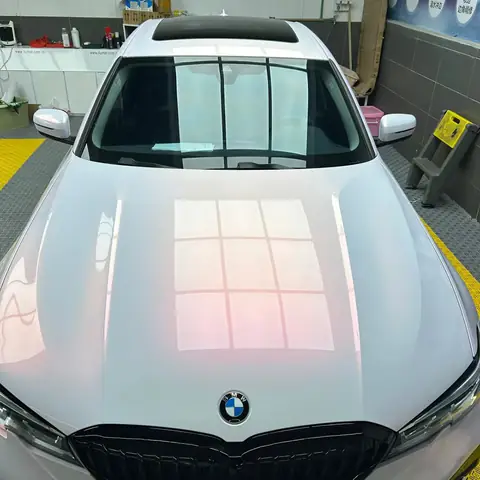
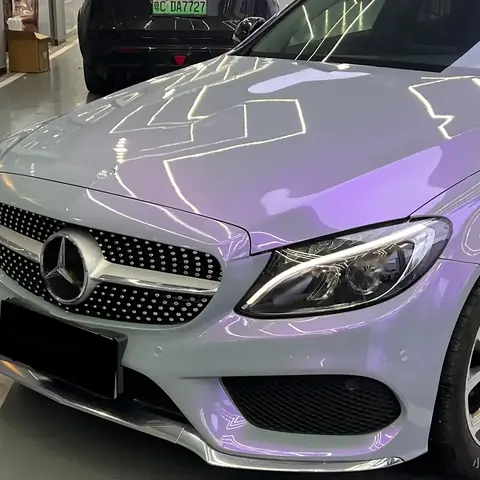
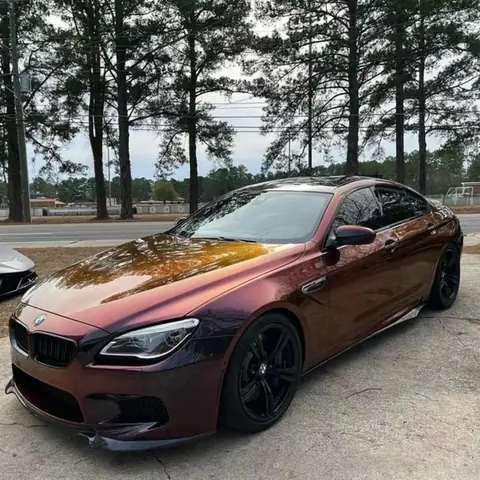
| Holographic / iridescent / rainbow | Shifts through rainbow tones as light moves | Often a chrome base with a prism or flake effect |
| Matte silver | Brushed or flat metallic | Not true mirror chrome; behaves more like a metallic film |
Holographic and iridescent car wraps
Holographic car wraps and iridescent car wraps are close cousins of chrome. They use a reflective base with a pattern or interference effect that splits light into rainbow colors as you walk around the car. Rainbow vinyl wrap and iridescent rainbow color wrap are names for the same family. These films handle like chrome: limited stretch, careful heat, consistent direction.
They are different from color shift or chameleon wraps, which use pigments or flakes to shift between two or three specific colors without a mirror effect. The color shift and chameleon wrap guide and the overview of gloss, satin, matte and chameleon finishes explain that difference.
Satin chrome vs mirror chrome
Satin chrome and satin red chrome finishes keep the metallic depth but soften the reflection. They are more forgiving of small surface flaws and fingerprints, and some customers prefer them for daily drivers. Mirror chrome is the choice for maximum impact on show cars, launches and promotional vehicles.
How much does a chrome wrap cost?
There is no fixed price. Chrome film costs more per meter than standard PVC colors, installers often need more material because of waste on difficult panels, and labor takes longer. As a rough comparison:
| Job | Relative cost vs standard gloss color wrap |
|---|---|
| Full chrome wrap, mirror finish | Often well above a standard wrap, sometimes close to double |
| Full satin chrome wrap | Usually above standard color, below or near mirror chrome |
| Chrome accents (roof, mirrors, stripes) | A fraction of a full wrap |
| Chrome delete in black vinyl | Usually a small job priced per trim area |
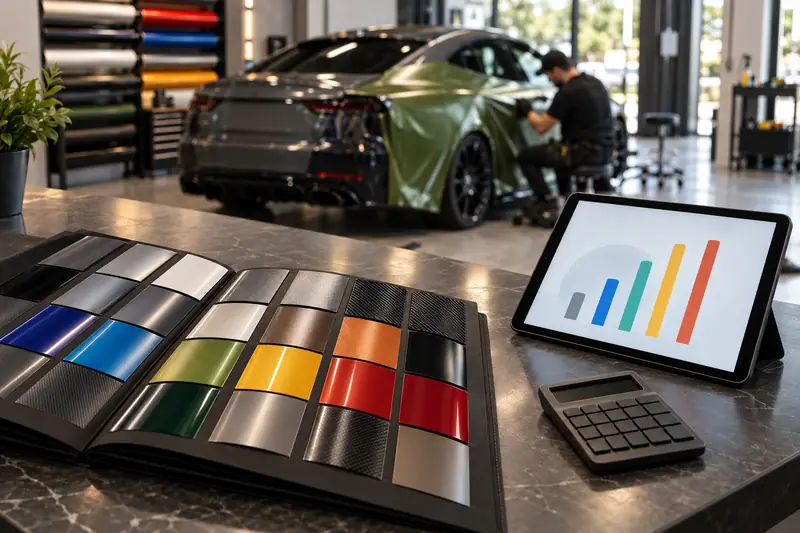
In US terms, standard full color wraps commonly start in the low thousands of dollars, and full chrome wraps often run several thousand dollars more. Prices vary widely by region, vehicle size and shop, so treat these as orientation only. The car wrap cost guide shows how shops build a wrap quote.
How to install chrome vinyl wrap
Chrome film rewards preparation and punishes shortcuts. These steps assume an experienced installer.
- Prep thoroughly. Wash, clay and degrease every panel. Chrome magnifies dust, scratches and paint defects.
- Plan film direction. Mark the liner and lay every panel in the same orientation to keep reflection consistent.
- Cut generously, stretch little. Allow extra material and avoid deep stretches. Where a recess is very deep, consider inlays or relief cuts instead of pulling the film.
- Use gentle heat. Warm chrome film carefully and keep the heat gun moving. Overheating can haze or discolor the metallized layer. The heat gun guide covers temperature control.
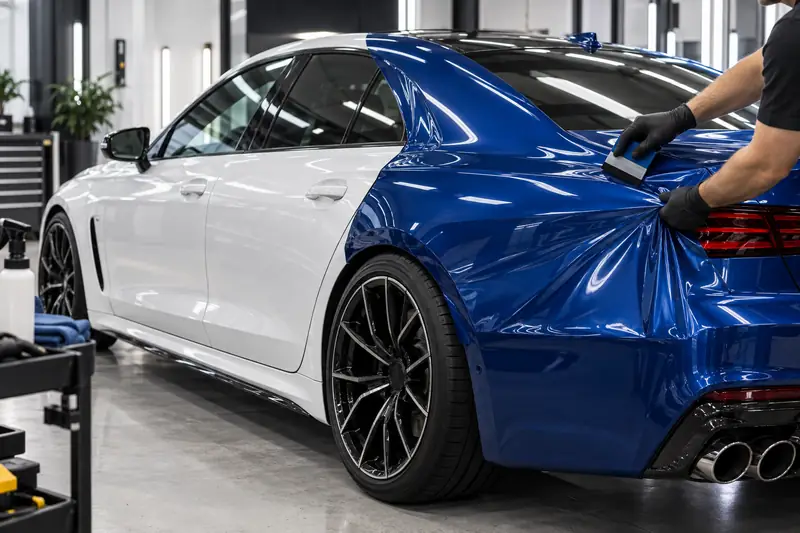
- Squeegee with a soft edge. Use a felt or microfiber-covered squeegee and wear clean wrap gloves to avoid scratches and fingerprints.
- Post-heat to the data sheet. Follow the film's specified post-heat temperature for edges and stretched areas, measured with an infrared thermometer.
- Inspect in different light. Check every panel under shop lights and daylight before handing over the car.
PET liner chrome and liquid-metal films can help: the rigid liner keeps the face very flat, which reduces texture and gives a deeper reflection. Our PET liner vinyl and printed and effect vinyl lines include chrome-style and holographic finishes.
Chrome delete: vinyl wrap for chrome trim
A chrome delete car has its bright window trim, grille surround, badges or bumper accents covered in black or colored vinyl. It is one of the most requested small jobs in wrap shops because many owners prefer a darker, cleaner look than factory chrome.
- Film choice. Gloss black and satin black are the most common. Matte black hides small imperfections, while gloss black matches piano-black trim.
- Chrome tape. Narrow pre-cut trim tape or chrome tape rolls are sold for both directions: adding a chrome strip to a car, or covering one. For chrome delete, shops usually cut strips from standard roll film for a better color match with other black parts.
- Technique. Trim is often narrow and curved. Clean edges, gentle heat and careful wrapping around ends matter more than speed.
- Removal. A quality vinyl chrome delete can be removed later, which is a big advantage over painting trim.
Standard PVC vinyl wrap ranges include the gloss, satin and matte blacks most shops use for chrome delete.
Is a chrome wrap legal?
Rules differ by country and state. Some places restrict or ban highly reflective, mirror-like finishes on vehicles because of glare risk to other drivers; others have no specific rule. Some jurisdictions also require you to update the registered vehicle color after a full color change. Before quoting or buying a full chrome wrap, check local vehicle regulations and, if needed, ask the relevant authority. Satin chrome or accent-only chrome is a common compromise where full mirror finishes are a concern.
Care and lifespan of a chrome wrapped car
Chrome films are more delicate than standard color films. To keep them looking good:
- Hand wash with a soft mitt and pH-neutral soap; avoid brush car washes.
- Do not use abrasive polishes or compounds.
- Dry with a clean microfiber towel to prevent water spots, which show clearly on mirror finishes.
- Park in shade or a garage where possible; heat and UV age chrome faster than many standard colors.
Expect a shorter outdoor life than standard gloss PVC in most climates, especially on horizontal surfaces. The film's data sheet gives the manufacturer's guidance on exterior durability.
Buying chrome film for your shop
Chrome is a showcase product, so color consistency and surface quality matter. At Mars Decorative Film, chrome and effect rolls are inspected roll by roll for surface defects before release, and every roll carries a batch number for re-orders. Ask for free chrome samples to test stretch and heat behavior before stocking a full range.
Frequently asked questions
Do you mirror permanent vinyl?
For normal decals applied to the outside of a car or other surface, you do not mirror permanent adhesive vinyl, because you cut from the face side. You mirror the design for heat transfer vinyl, and for adhesive vinyl applied to the inside of glass that should read correctly from outside.
Do I need to mirror permanent vinyl for car windows?
Only if the decal goes on the inside of the glass and must read from outside. Most car window decals go on the outside, so no mirroring is needed.
How long does a chrome wrap last?
Chrome wraps usually last less time than standard gloss or satin wraps, especially on hoods and roofs in strong sun. Care, climate and film grade all matter; check the film's data sheet for exterior durability guidance.
Is black chrome wrap hard to install?
Black chrome is as demanding as other chrome films: limited stretch, heat sensitivity and visible scratches. It shows fewer fingerprints than silver chrome but still needs careful prep and technique.
What is the difference between chrome and holographic wrap?
Chrome gives a mirror finish in one tone. Holographic and iridescent wraps add a rainbow or prism effect that changes color as you move around the car, usually on a similar reflective base.
Can chrome wrap be removed?
Yes. Chrome vinyl can be removed with gentle heat and a low peel angle, like other wraps. Chrome films can be more brittle with age, so older wraps may come off in smaller pieces.