Business · 6 min read
PPF brands: how to choose a supplier or launch your own label
How PPF brands differ, what to check in paint protection film suppliers and manufacturers, and how distributors launch a private label PPF brand step by step.
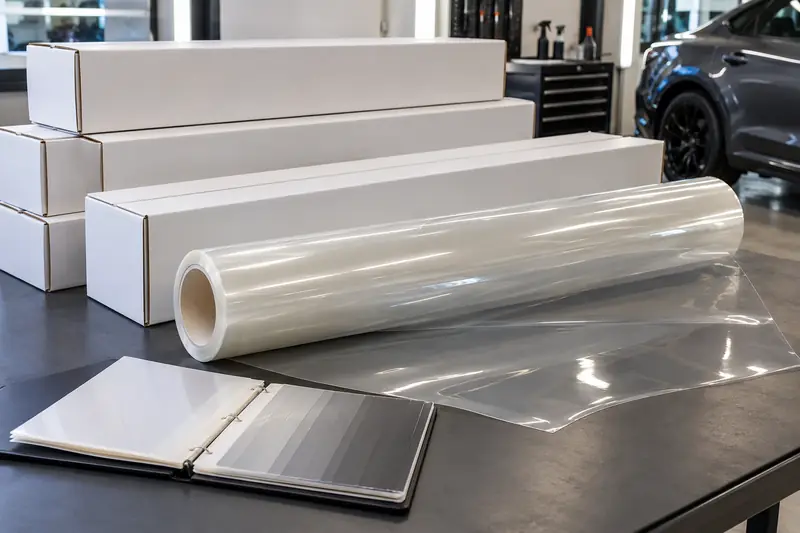
Short answer: Most PPF brands are built on TPU film from a small number of specialist manufacturers, so the real differences are film grade, top coat, adhesive, quality control, warranty and support. Distributors can buy from an established brand, become a PPF dealer, or launch a private label PPF brand with a manufacturer that offers OEM packaging and samples.
PPF brands have multiplied quickly as paint protection film has moved from luxury add-on to mainstream service. For installers, distributors and importers, that creates a choice: stock an established name, become a dealer for a regional brand, or build your own label with a manufacturer. This guide explains how PPF brands actually differ, what to check in paint protection film suppliers, and how private label PPF works in practice.
Key takeaways
- Most quality PPF is thermoplastic polyurethane (TPU) with a self-healing top coat and pressure-sensitive adhesive; cheaper films may use TPH or PVC.
- The differences between PPF brands come from film grade, top coat, adhesive, thickness, clarity, quality control and support, not the logo.
- Colored PPF and matte PPF are growing categories that let shops sell color change and protection in one film.
- Private label PPF lets a distributor own the brand, pricing and customer relationship while a manufacturer produces the film.
- Always test samples for clarity, stretch, self-healing and adhesive behavior before ordering volume.
How PPF brands differ
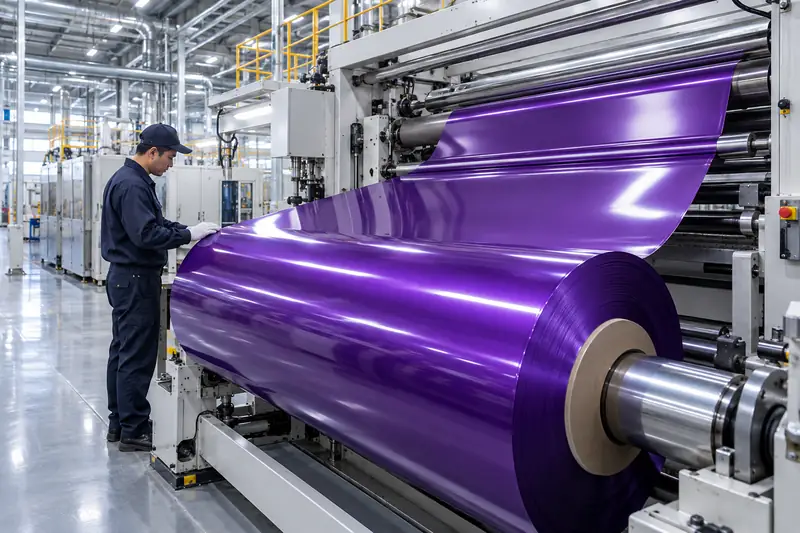
Many top PPF brands do not run their own TPU extrusion and coating lines. They work with specialist manufacturers and focus on branding, warranty, training and distribution. That is why two films sold under different names can perform similarly, and why two films with similar marketing can perform very differently.
| Factor | What to compare | Why it matters |
|---|---|---|
| Base film | TPU vs TPH vs PVC | TPU offers the best stretch, clarity and self-healing |
| Thickness | Typically around 6.5–10 mil (about 165–250 µm) | Thicker resists chips better but is harder to stretch |
| Top coat | Self-healing, hydrophobic, gloss or matte | Scratch recovery, stain resistance, finish |
| Adhesive | Repositionable for wet install, clean removal | Installer speed, paint safety |
| Clarity | Low haze, minimal orange peel, no yellow tint | Invisible protection on dark paint |
| Quality control | Batch numbers, roll-by-roll inspection | Consistent results across reorders |
| Support | Data sheets, install guidance, samples | Fewer failures and returns |
For a material comparison, see our guide to TPU vs TPH vs PVC PPF.
What makes the best PPF brands stand out
When installers talk about the best PPF brands, they usually mean films that:
- Stretch predictably around bumpers and mirrors without lifting or distorting.
- Look invisible on gloss black paint with low orange peel and haze.
- Self-heal light swirls with sun or warm water.
- Resist yellowing and staining over the film's rated life.
- Remove cleanly when the film is replaced.
- Come with clear support: data sheets, install tips and responsive technical contact.
A brand's reputation is built on these points over years. A new or private label brand can compete on them too, provided the film behind it is consistent.
Colored PPF brands and matte PPF
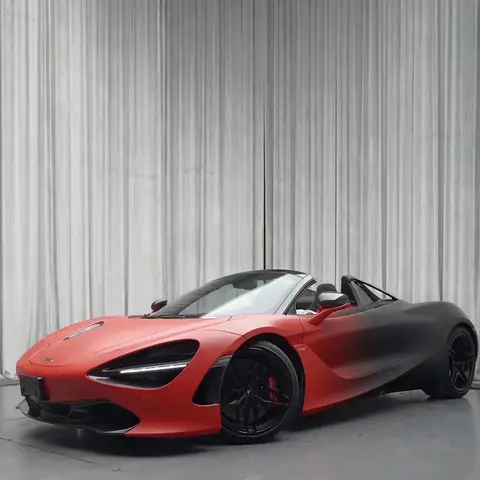
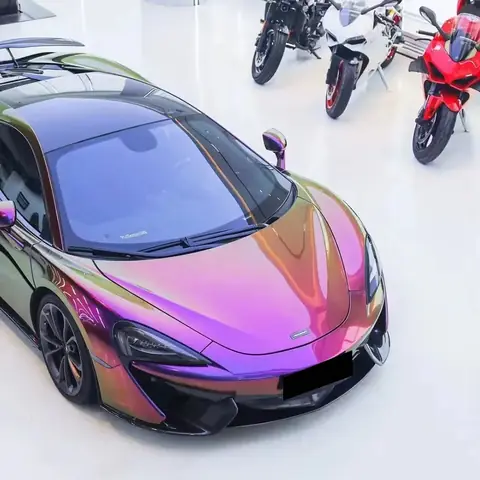
Colored PPF combines a color-change layer with TPU protection, so one film replaces a vinyl wrap plus clear PPF. Colored PPF brands typically offer gloss, satin and matte versions of popular shades. Color PPF usually costs more per meter than vinyl and installs wet, but it adds stone-chip resistance and self-healing.
Best matte PPF brand: what to look for
Matte and satin PPF turn gloss paint into a flat or soft-sheen finish while protecting it. When comparing matte films, check:
- Evenness of the finish across the roll and between batches.
- Stain resistance, because matte surfaces show oils and water spots.
- Self-healing performance with a matte top coat.
- How it looks over different paint colors; matte PPF can lighten dark colors slightly.
Our guide to matte and satin PPF covers finishes and care in detail.
Paint protection film suppliers: dealer, distributor or private label
Businesses enter the PPF market in three main ways.
| Model | What you do | Pros | Cons |
|---|---|---|---|
| PPF dealer | Buy and install an existing brand | Brand recognition, ready marketing | Lower margin, brand controls pricing and territory |
| PPF distributor | Resell an existing brand to shops in a region | Volume business, established product | Exclusivity terms, stock commitments |
| Private label PPF | Sell film under your own brand, made by a manufacturer | Own brand and margin, flexible range | You build reputation, marketing and support |
Many distributors combine models: they carry one known brand for customers who ask by name, and their own label for margin and differentiation.
How to evaluate PPF manufacturers
The best PPF manufacturers are open about how their film is made and checked. Questions to ask:
- Film construction: Is the base TPU? What thickness, top coat and adhesive are used?
- Range: Clear gloss, matte, satin and colored PPF? Windshield or headlight films?
- Quality control: What is checked on incoming materials, in-line and before release? Is every roll batch-numbered?
- Documentation: Data sheets, and compliance documents such as RoHS on request.
- Samples: Can you send samples for clarity, stretch and self-healing tests?
- Supply terms: MOQ, lead times for stock and custom orders, standard roll size.
- OEM options: Printed liners, branded boxes, labels, swatch books, neutral packing.
Ask how the warranty you plan to offer will be supported. The manufacturer's commitments and your own warranty to customers should line up; do not promise terms the film supplier will not back.
How to launch a private label PPF brand
- Define your market. Installers, retail car owners, or both? Which regions and price level?
- Choose your range. Start lean: one clear gloss, one matte, and a few colored PPF shades.
- Test samples. Install on real panels, leave them outdoors and check clarity, self-healing and removal.
- Agree on specifications. Thickness, top coat, adhesive and roll size in writing.
- Design packaging. Printed liner, box, labels and swatch book with your brand.
- Place a trial order. A small first order lets you check consistency before scaling.
- Build support. Install guides, warranty terms you can stand behind, and training for dealers.
Our private label car wrap brand guide explains packaging options in more detail.
Typical PPF roll and stock planning
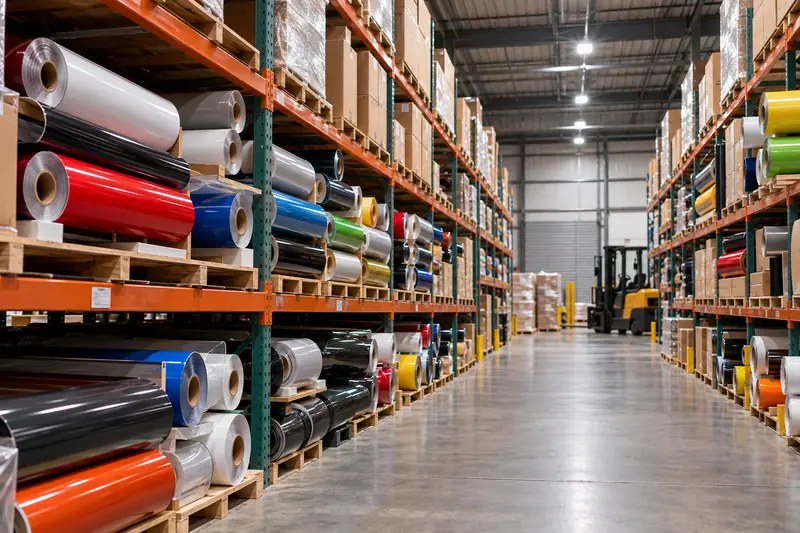
PPF is typically supplied in 1.52 m (5 ft) wide rolls around 15 m long, enough for several full-front jobs; full-body coverage on most cars typically needs a full roll or more. Pre-cut kits are another option. Distributors usually stock clear gloss as the main volume item, then add matte and a short list of colored PPF shades based on demand.
Mars Decorative Film makes clear TPU PPF and color PPF in 1.52 × 15 m rolls, with an MOQ of one roll and mixed colors welcome, plus private label packaging such as printed liners, branded boxes and swatch books. The same factory also supplies PVC vinyl and PET liner vinyl, so distributors can build a wrap and PPF range from one source.
Starting your own range
Trade buyers can request free PPF samples to test clarity and stretch on their own panels before choosing a supplier or launching a label.
Frequently asked questions
What are the top PPF brands?
Top PPF brands are generally those with consistent TPU film, good clarity, reliable self-healing, clean removal and strong installer support. Rather than relying on rankings, test samples from several brands and compare them on your own panels.
Are private label PPF films as good as big brands?
They can be, because many brands source TPU film from specialist manufacturers. Quality depends on the film grade and the manufacturer's quality control, so test samples and agree on specifications in writing.
How do I become a PPF dealer or distributor?
Contact the brand or manufacturer, share your market and expected volume, and ask about pricing, territory, stock requirements and training. For private label, also ask about OEM packaging and minimum orders.
What is the best matte PPF brand?
The best matte PPF has an even finish across rolls, good stain resistance and working self-healing. Matte films vary noticeably, so compare samples side by side on paint before choosing.
What should I ask PPF manufacturers before ordering?
Ask about base film, thickness, top coat, adhesive, quality checks, batch numbering, documentation, samples, MOQ, lead times and OEM options. Clear answers and willingness to send samples are good signs.
Do colored PPF brands offer the same protection as clear PPF?
Colored PPF is typically TPU with a similar self-healing top coat, so it offers comparable stone-chip protection. Thickness and top coat vary by product, so check each film's data sheet.