PPF · 6 min read
TPU film vs TPH vs PVC PPF: which paint protection material is real?
TPU film vs TPH and PVC paint protection film: how each is made, self-healing, yellowing, lifespan and price, and how to verify what suppliers sell.
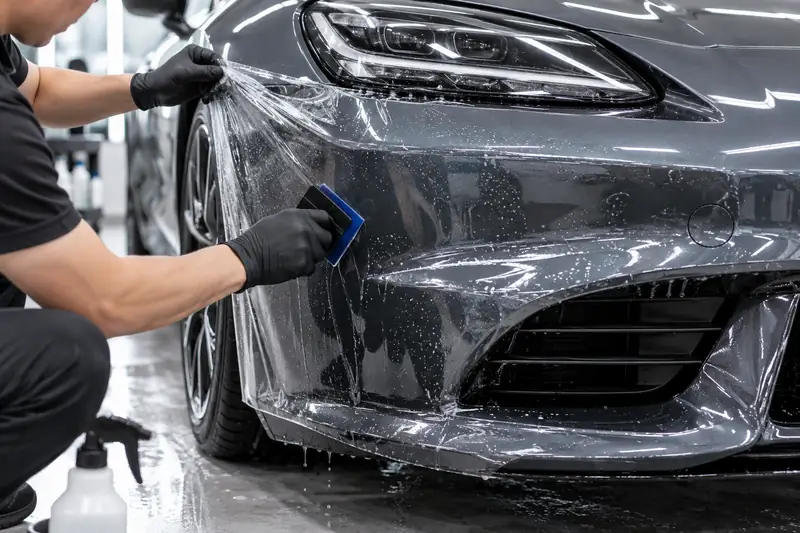
Short answer: TPU film is thermoplastic polyurethane, the elastic, self-healing material used in quality paint protection film. TPH is a lower-cost hybrid, usually PVC-based, and PVC PPF is the cheapest. Both TPH and PVC are typically stiffer, heal poorly or not at all, and yellow sooner. For long-term protection, choose aliphatic TPU with a self-healing top coat.
TPU film is what most installers mean when they say "real PPF," but the market is full of cheaper films that look similar on the roll. TPH and PVC protection films are sold at a fraction of the price, sometimes with the same marketing words. This guide explains the three PPF materials, how they behave on a car over time, and how distributors and wrap shops can check what a supplier is actually selling.
Key takeaways
- TPU (thermoplastic polyurethane) is the elastic, tough base material of quality paint protection film; with a suitable top coat it self-heals light scratches with heat.
- TPH is a hybrid, usually PVC-based with added plasticizers or polyurethane content; it costs less but is stiffer and tends to yellow and harden sooner.
- PVC PPF is the cheapest option, with little or no self-healing, lower stretch and a higher risk of cracking, yellowing and difficult removal.
- Aliphatic TPU resists yellowing far better than aromatic TPU, which matters most on light paint and clear film.
- Typical TPU PPF thickness is about 6.5–10 mil (roughly 165–250 µm), commonly sold in 1.52 × 15 m rolls.
- Price per roll is the easiest signal of material: very cheap "PPF" is rarely TPU.
What is TPU film?
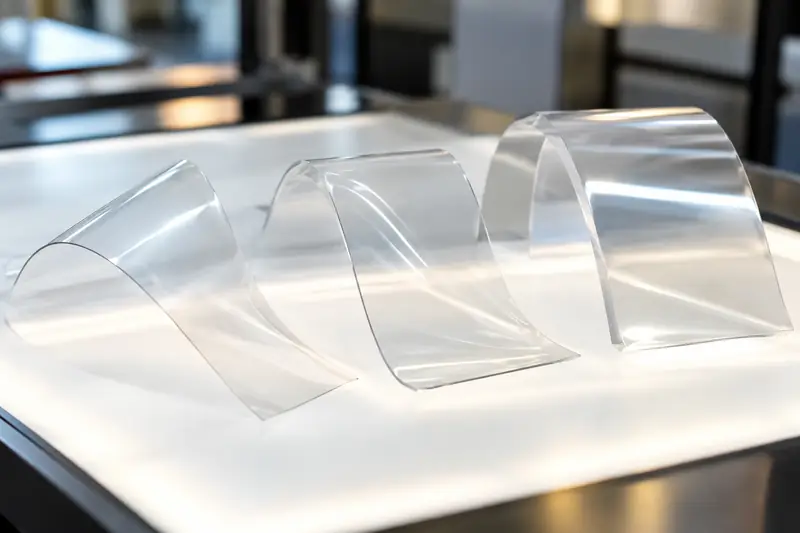
Thermoplastic polyurethane film is a polymer film that combines rubber-like elasticity with high tear and abrasion resistance. It is used in many industries, from sports equipment to medical products, but automotive TPU film is a specific grade engineered for clarity, weathering and paint contact.
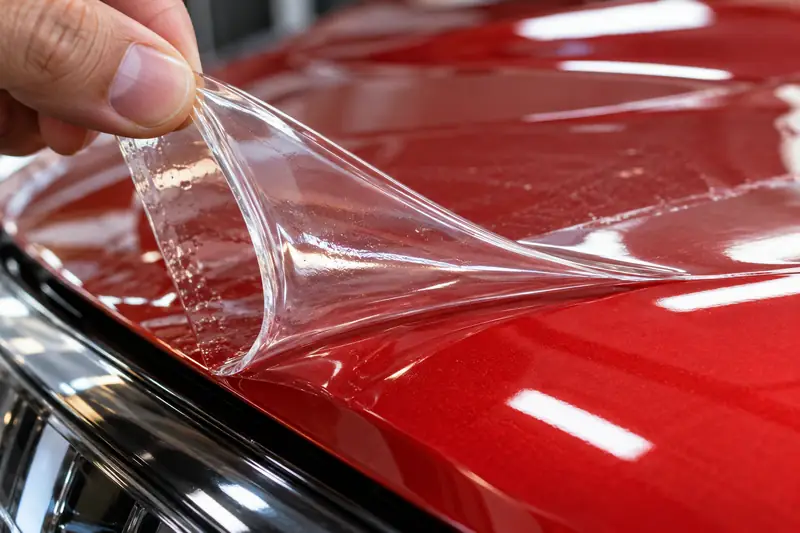
A TPU paint protection film is a layered product:
- Top coat: a thin, often self-healing coating that resists stains and scratches and controls gloss or matte finish.
- TPU base film: the thick, elastic layer that absorbs stone impacts.
- Adhesive: a pressure-sensitive adhesive designed to hold firmly and remove cleanly within the film's service life.
- Release liner: protects the adhesive until installation.
Aliphatic vs aromatic TPU
TPU comes in two chemical families. Aromatic TPU is cheaper but tends to yellow under UV. Aliphatic TPU is more expensive and resists yellowing much better, which is why it is the expected base for clear PPF on light-colored cars. When comparing TPU PPF quotes, ask which type the base film is.
TPU vs TPH vs PVC PPF compared
| TPU PPF | TPH film | PVC PPF | |
|---|---|---|---|
| Base material | Thermoplastic polyurethane | Hybrid, usually PVC-based with plasticizers or PU content | Plasticized PVC |
| Elasticity and stretch | High; conforms to bumpers and curves | Medium | Low to medium |
| Self-healing | Yes, with suitable top coat and heat | Weak or limited | Little or none |
| Stone-chip resistance | High | Medium | Low to medium |
| Yellowing | Low with aliphatic TPU and good top coat | Moderate to high over time | High over time |
| Hardening and cracking | Low | Moderate; plasticizer loss stiffens film | Higher |
| Removal after years | Generally clean within service life | Can leave adhesive or break into pieces | Often difficult |
| Typical outdoor life | Longest of the three | Shorter | Shortest |
| Relative cost | Highest | Middle | Lowest |
TPU vs TPH film: what is the difference?
TPH is the most confusing material on the market because it sits in the middle. It is often marketed as "TPU-like" and can look identical when new. The differences appear with time and on the install table:
- Stretch: TPH is less elastic, so it can lift in deep recesses and is harder to tuck around edges.
- Healing: TPH may heal very light marks at first, but performance is weak compared with a good TPU top coat.
- Aging: plasticizers in PVC-based films migrate out over time, so the film gets harder, can shrink at edges, and tends to yellow.
TPH can make sense as a short-term, low-cost protection layer, for example on a car being sold soon, if the customer understands what they are buying. It should not be sold as TPU.
TPU vs PVC PPF
PVC protection film is essentially a thick PVC film with an adhesive. It is cheap and offers some protection against light scuffs, but it does not have the impact absorption, healing or long-term clarity of TPU. Over several seasons in strong sun, PVC PPF commonly yellows, cracks and becomes difficult to remove, which can turn a cheap job into an expensive removal. Many shops avoid PVC PPF entirely for this reason.
PVC is still the right material for a different job: color-change vinyl wrap, where elasticity and impact resistance are less important than color range and cost. Our comparison of TPU vs PET vs PVC car wrap film explains where each family fits.
TPU color film and TPU car wraps
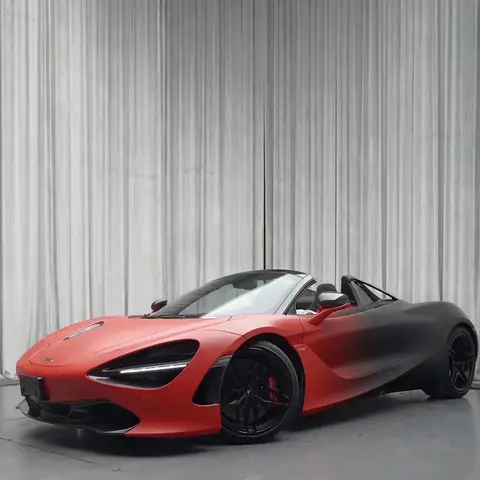
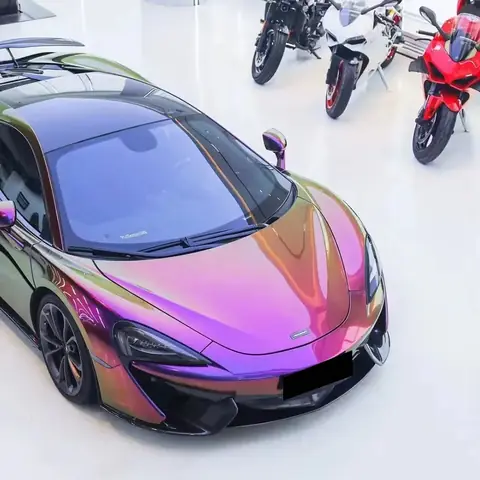
TPU is no longer only clear. TPU color film, often called color PPF, puts pigment into or under the TPU so the same film changes the car's color and protects the paint. A TPU car wrap costs more than a vinyl wrap, but it combines the self-healing and chip resistance of PPF with a full color change, typically with less orange peel than economy vinyl. See our color PPF buyer's guide for thickness, top coat and color-consistency checks, or browse the self-healing color PPF line.
TPU windshield protection film
TPU is also the base of some windshield films, but glass needs a harder, wiper-resistant top coat and a higher optical standard than paint film. A regular paint PPF on a windshield usually scratches quickly. Details are in our windshield protection film guide.
How to check the PPF material before you buy
A supplier's label is not proof. Practical checks a shop or distributor can do:
- Ask directly for the base material (TPU, TPH or PVC), TPU type (aliphatic or aromatic), total thickness and top-coat type, in writing.
- Stretch test: a TPU sample stretches far and recovers well; TPH and PVC feel stiffer and are more likely to stay deformed.
- Heal test: scratch the top coat lightly with a brass brush, then apply warm water or gentle heat. A good TPU top coat recovers visibly.
- Heat aging check: leave a sample on a panel in strong sun for weeks alongside a known TPU film and compare color and stiffness.
- Price sanity check: TPU resin and coating are costly. A roll priced far below the market for TPU is very unlikely to be TPU.
- Batch traceability: look for batch numbers on each roll so any problem can be traced.
Choosing a TPU film manufacturer or supplier
Polyurethane film manufacturers range from base-film producers to converters that coat, laminate and slit finished PPF. For a distributor, the important questions are consistency and traceability: whether the same product number delivers the same film batch after batch, whether rolls are inspected before release, and whether the supplier can provide samples, data sheets and private label packaging.
Mars Decorative Film produces clear and color TPU PPF in Shanghai on 1.52 × 15 m rolls. Every roll is batch-numbered and inspected through incoming material checks, in-line inspection and roll-by-roll release. Distributors can request free samples to run the tests above, or explore a private label PPF program.
Frequently asked questions
Is TPU film better than TPH?
For long-term paint protection, yes. TPU is more elastic, heals scratches far better with a suitable top coat, and resists yellowing and hardening longer. TPH is cheaper and may suit short-term protection if the buyer knows what it is.
What is TPU PPF?
TPU PPF is paint protection film made from thermoplastic polyurethane, with a protective top coat and an adhesive. It absorbs stone chips, self-heals light scratches with heat when the top coat is designed for it, and removes cleanly within its service life.
Does PVC PPF turn yellow?
It commonly does. Plasticized PVC tends to yellow, harden and crack over time in strong sun, and it can be difficult to remove after several years. TPU, especially aliphatic TPU, holds clarity much longer.
How thick is TPU paint protection film?
Most TPU PPF is roughly 6.5–10 mil (about 165–250 µm) total thickness. Thicker film adds impact resistance but is harder to stretch around complex curves.
How can I tell if PPF is TPU or PVC?
Ask the supplier in writing, then test a sample: TPU stretches further and recovers, heals light scratches with heat, and stays flexible after sun exposure. Unusually low pricing is also a strong sign the film is not TPU.
What size is a TPU film roll?
Automotive TPU PPF is commonly supplied 1.52 m (5 ft) wide, often in 15 m lengths. Narrower rolls are also made for headlights, door edges and pre-cut work.